
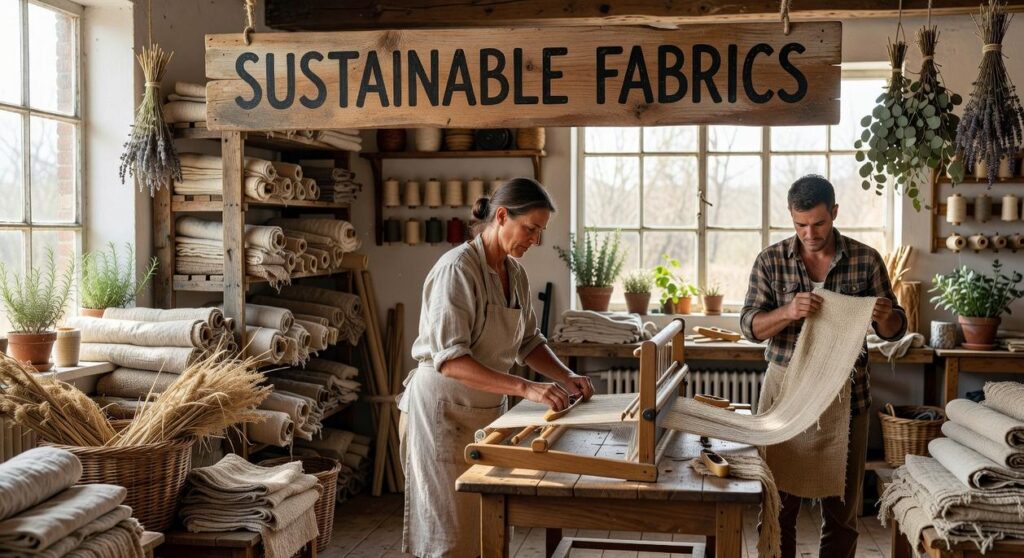
Looking to upgrade your wardrobe without compromising your values? You’re not alone. More men are searching for ways to dress well, reduce waste, and invest in pieces that actually last. This guide to sustainable mens style is designed to help you do exactly that—build a sharper, more intentional wardrobe while making smarter choices for the planet and your wallet.
The challenge is cutting through greenwashing, fast-fashion marketing, and trend overload. What fabrics are truly sustainable? Which brands back up their claims? How do you balance durability, fit, and style without overspending?
We’ve analyzed industry research, material sourcing standards, and long-term wear data to break down what really matters. You’ll learn how to identify high-quality staples, spot ethical production practices, and create a versatile lineup that works year-round.
If you want practical style upgrades with lasting impact, you’re in the right place.
Dressing well used to be about sharp cuts and trending colors. Now, more men want their wardrobes to reflect their values, too. The problem? Sustainable fashion is crowded with jargon—“organic,” “carbon neutral,” “ethical sourcing”—and plenty of greenwashing (brands talking a big game with little proof). So where do you start?
This guide cuts through the noise. You’ll learn practical steps to build a sustainable mens style wardrobe without sacrificing fit, function, or edge. By buying less and choosing better materials, you save money long term, reduce waste, and feel confident knowing your style actually stands for something every single day.
Decoding Sustainable Style: What Key Terms Really Mean
By embracing sustainable style with eco-friendly fashion choices, men can not only elevate their wardrobes but also complement their lifestyles with smart home gadgets that upgrade their daily routines – for more details, check out our Smart Home Gadgets That Upgrade Your Daily Routine.
Sustainable fashion sounds great in theory. But what do the labels actually mean when you’re standing in a store (or hovering over “Add to Cart”)? Let’s break it down so you can buy smarter.
Ethical Fashion focuses on people. It means fair wages, safe working conditions, and zero child labor. Certifications like Fair Trade verify that workers are treated and paid fairly. Think of it as the human rights layer of your wardrobe.
Environmentally-Friendly Fashion is about the planet. This includes reducing water usage (the fashion industry accounts for about 20% of global wastewater, per the UN), avoiding toxic dyes, using organic or recycled fabrics, and cutting down landfill waste.
Look for trusted certifications. GOTS (Global Organic Textile Standard) ensures textiles are genuinely organic and processed responsibly. B Corp certification evaluates a company’s overall social and environmental performance—not just one product line.
More advanced? Watch for Circularity and Closed-Loop Production, where brands design products to be reused, repaired, or fully recycled into new garments. (Yes, your old tee becoming next season’s hoodie.)
Here’s my recommendation: prioritize brands that clearly explain their standards and back claims with certifications. Transparency is the real flex. If you’re investing in sustainable mens style, choose fewer, better pieces—and wear them hard.
The Fabric of Your Wardrobe: Choosing Eco-Conscious Materials
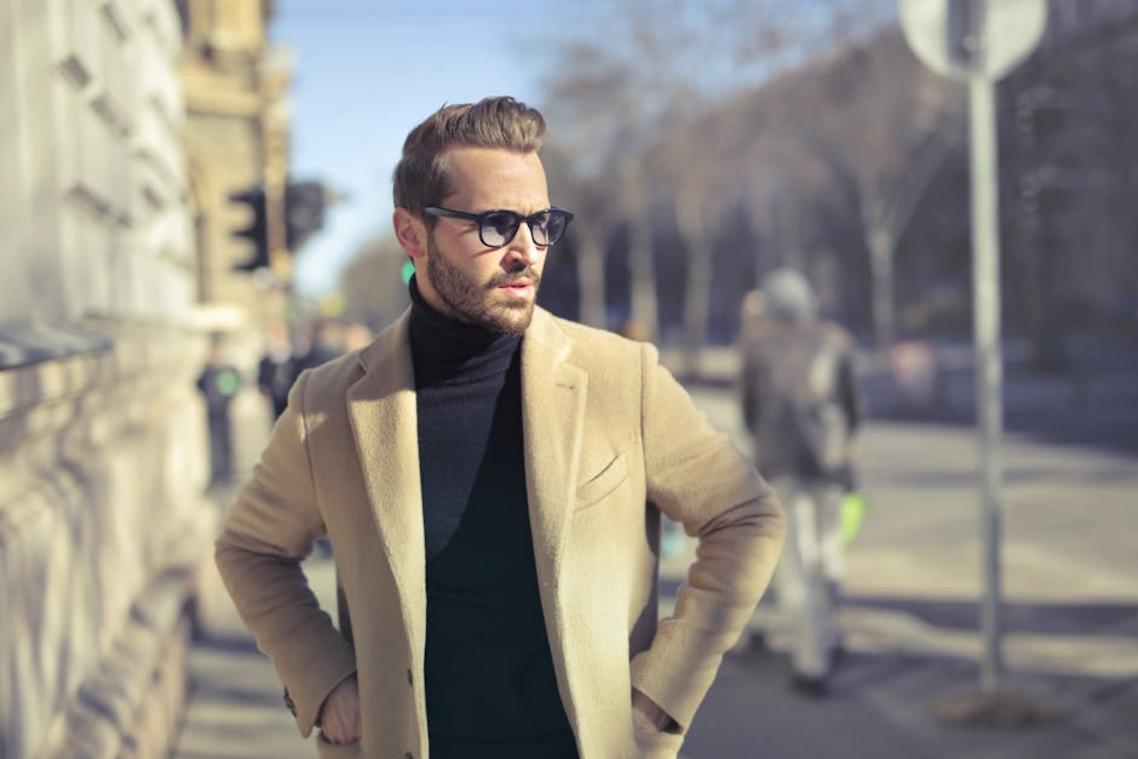
If you ask me, the biggest sustainability decision you make isn’t the brand name—it’s the material tag. In other words, before color, cut, or trend, fabric determines your impact. And yes, that tiny label stitched into your collar matters more than most runway hype.
First, organic cotton. Unlike conventional cotton, it’s grown with significantly less synthetic pesticides and often uses less water (Textile Exchange). That means healthier soil and safer farming communities. Then there’s linen, made from flax—a hardy crop that requires minimal irrigation and chemicals. It’s breathable, durable, and somehow gets better with age (kind of like a classic leather jacket in a coming‑of‑age movie).
Next up, hemp. I’m a big fan. Hemp regenerates soil and grows quickly without heavy chemical inputs. It’s tough, versatile, and criminally underrated. Similarly, TENCEL™ Lyocell is produced from sustainably sourced wood pulp in a closed-loop system that recycles water and solvents, reducing waste (Lenzing). That’s innovation done right.
On the recycling front, recycled polyester and recycled wool deserve credit. They divert waste from landfills and reduce demand for virgin resources. Pro tip: check for certifications like GRS to verify recycled claims.
Now, the counterpoint. Some argue conventional cotton and virgin synthetics are cheaper and more accessible. Fair. However, conventional cotton is water-intensive and pesticide-heavy (WWF), while virgin polyester and nylon rely on fossil fuels and shed microplastics into waterways (IUCN). For sustainable mens style, I believe long-term impact outweighs short-term savings.
Ultimately, even the top mens fashion trends dominating 2026 should start with better fabric choices.
The ‘Buy Less, Buy Better’ Mindset
Fast fashion thrives on speed and disposability. Brands release micro-seasons weekly, encouraging impulse buys that often unravel after a handful of washes. The Environmental Protection Agency reports that Americans generated over 17 million tons of textile waste in 2018, with most ending up in landfills (EPA). That’s the hidden price of “cheap.”
The alternative is a curated wardrobe built on quality over quantity. Think a well-made chore coat, durable raw denim, and classic Oxford shirts that age with character. According to cost-per-wear analysis used by retailers and stylists, a $200 jacket worn 200 times costs $1 per wear, while a $50 jacket worn 10 times costs $5 per wear. The math isn’t trendy; it’s practical.
Critics argue higher upfront prices exclude some shoppers. Fair point. But buying fewer, better pieces over time often reduces overall spending. Pro tip: track wears in your notes app to see real value.
Thrifting might be the ultimate sustainable mens style move. Secondhand shopping extends garment life, cuts demand for new production, and offers one-of-a-kind finds (ThredUp Resale Report). In a world chasing trends, choosing longevity is quietly radical—and undeniably smarter. Style icons from Steve McQueen to today prove simplicity endures across generations.
Putting It All Together: 5 Practical Steps to a Greener Closet
Building a greener wardrobe doesn’t require a dramatic purge (no need for a reality‑show makeover). Follow these five practical steps:
1. Audit Your Closet. Pull everything out. Ask: Do I actually wear this? If not, sell or donate it. Real-world tip: turn hangers backward and flip them after wearing—after 30 days, what’s untouched goes.
2. Learn Basic Garment Care. Wash cold, air-dry when possible, and store knits folded. Heat breaks fibers down faster (yes, even your favorite tee).
3. Repair, Don’t Replace. Sew a loose button in five minutes or visit a tailor for zipper fixes. Small repairs extend life dramatically.
4. Research Before Buying. Check a brand’s “Sustainability” page and materials list before investing in sustainable mens style staples.
5. Start Small. Replace worn items gradually with better options. Slow upgrades beat impulsive hauls every time.
Your Style, Your Impact
Building a sustainable wardrobe is a journey, not a destination. Perfection isn’t the goal; conscious choices are. The fashion industry generates an estimated 92 million tons of textile waste each year, according to the UN Environment Programme. That scale feels overwhelming, but collective shifts start with individual closets. Choosing quality fabrics and timeless cuts reduces replacement cycles and lowers demand for fast fashion.
- Pro tip: repair one item before buying another.
Studies show extending a garment’s life by nine months can cut its carbon footprint by up to 30% (WRAP, 2017). Choose sustainable mens style today.
Elevate Your Wardrobe with Purpose and Confidence
You came here to understand how to build a sharper, more intentional wardrobe without sacrificing comfort, confidence, or your values. Now you know that sustainable mens style isn’t about chasing trends — it’s about making smarter choices that upgrade your look while reducing waste and regret.
The real frustration isn’t a lack of clothes. It’s opening your closet and feeling like nothing truly represents who you are. Fast fashion fades. Poor fits disappoint. Trends pass. But a well-built, intentional wardrobe solves that.
The next move is simple: audit your closet, invest in versatile staples, and choose quality over impulse. Start with one upgrade — a better-fitting jacket, durable everyday boots, or responsibly made essentials — and build from there.
If you’re serious about looking sharp without overcomplicating your life, keep exploring our proven style breakdowns and gear recommendations. Thousands of modern men trust our insights to refine their image and simplify their choices.
Your style should work for you — not against you. Start building a wardrobe that lasts today.
 Michaelo Taylorawsons brings a refined and confident voice to Impocoolmom, with a strong focus on modern men’s lifestyle, personal presentation, and everyday self-improvement. His writing explores the balance between timeless masculinity and current trends, offering readers practical insights on grooming, wellness, style choices, and lifestyle upgrades that feel both relevant and easy to apply.