
What does it really mean to be a man today? Modern men face a swirl of conflicting expectations—be strong but sensitive, ambitious but always available, independent but deeply connected. These mixed messages create pressure and confusion. The problem is that outdated, rigid definitions of manhood can stunt personal growth, strain relationships, and take a real toll on mental well-being. It’s time for masculinity myths debunked and rebuilt with clarity. In this article, we’ll break down four of the most common misconceptions and offer a modern, flexible framework for developing a grounded, confident, and genuinely fulfilling identity beyond stereotypes.
Myth #1: The Silent Stoic Who Feels Nothing
For decades, we’ve been sold the image of the man who never flinches, never cries, and never admits he’s overwhelmed. According to this script, “real men” swallow their feelings and power through. It’s one of the oldest masculinity myths debunked, yet it lingers.
In reality, emotional intelligence—the ability to recognize, understand, and manage emotions—is a performance enhancer. Research from the American Psychological Association links emotional awareness with better decision-making and stronger relationships. In other words, naming your stress doesn’t make you weak; it makes you strategic.
Moreover, bottling everything up comes at a cost. Chronic suppression is associated with higher anxiety, depression, and burnout, according to studies published in the Journal of Health Psychology. Your body keeps the score (and it charges interest).
So what’s in it for you? When you allow sadness, fear, or uncertainty into the conversation, you gain clarity, resilience, and deeper trust with others. Think less stone-faced superhero, more Ted Lasso—steady, self-aware, and still strong. Emotional expression isn’t drama; it’s mental fitness. Train it, and you’ll show up calmer, sharper, and more connected. That’s strength people actually respect. And it starts with honesty. With yourself.
Myth #2: Strength Is Only Physical
For decades, many men have been told their worth depends on size, dominance, or athletic prowess. However, this stereotype leaves out the traits that actually carry you through modern life. Resilience, adaptability, intellectual curiosity, and moral courage are strengths too. In fact, they are often the difference between burnout and long-term success.
Consider the entrepreneur who pivots after failure or the father who stays calm during crisis. That is strength in motion. Some argue that physical power builds discipline and confidence, and they are right to a point. Training your body matters. Yet focusing only on biceps misses the bigger picture highlighted in masculinity myths debunked.
Today’s careers reward problem-solving, emotional intelligence, and the ability to adapt to change. Therefore, build strength holistically. Lift weights, but also stretch for mobility, eat for brain health, and protect your mental clarity with sleep. Pro tip: schedule recovery days as seriously as workouts. After all, a powerful life is built on sustainable habits, not one-rep maxes.
When you expand your definition of strength, you expand your impact. And that, ultimately, is what makes a man formidable in boardrooms, relationships, and everyday challenges. Not just in the gym.
Myth #3: The Independent Lone Wolf
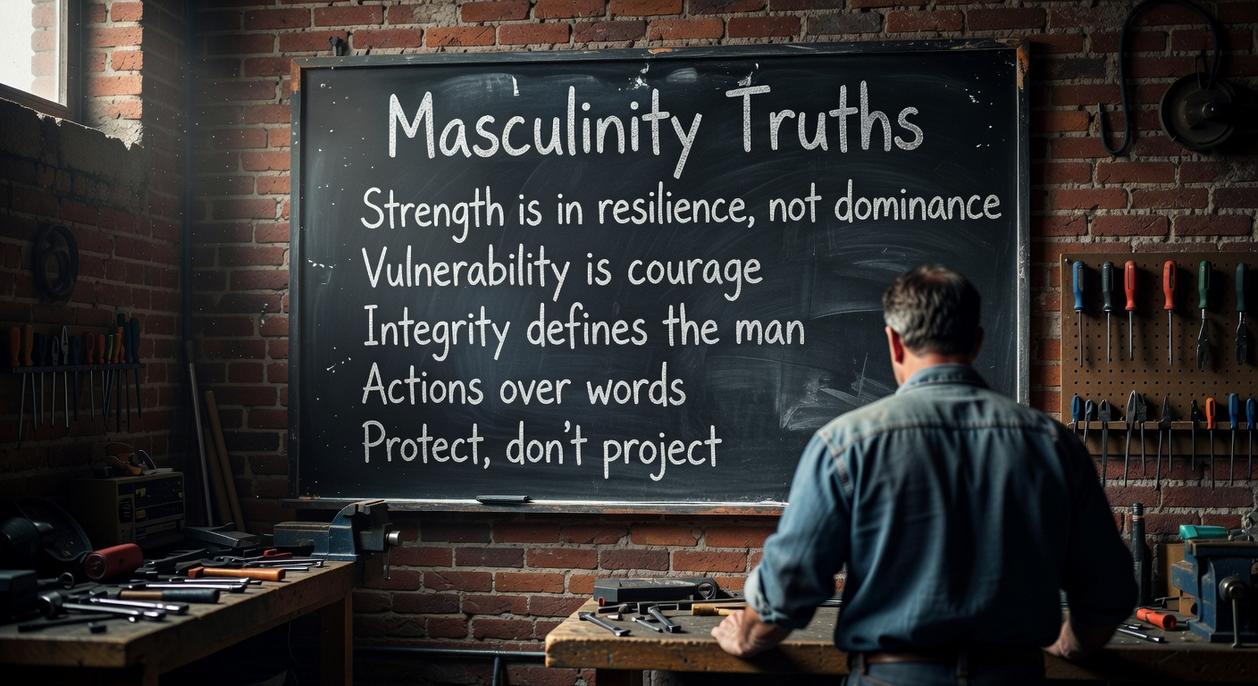
The Misconception: The “lone wolf” ideal says a man should handle everything alone—finances, emotions, career setbacks—without ever asking for help. Self-reliance (the ability to depend on your own abilities) is valuable. However, extreme self-isolation is something else entirely. It suggests that needing support equals weakness. That belief shows up often in conversations about masculinity myths debunked, and for good reason.
The Reality: Even the most capable leaders rely on teams. Think of professional athletes: no Super Bowl is won solo (not even by the GOAT). Community creates leverage. Mentorship accelerates growth. Strong friendships provide emotional regulation—meaning your nervous system literally calms down when you feel supported (American Psychological Association). In other words, connection improves mental health, decision-making, and long-term success.
Some argue that total independence builds toughness. Fair point. Yet research consistently links social connection to longer life expectancy and lower stress levels (Harvard Health). Strength isn’t isolation; it’s interdependence. For a deeper look, read redefining strength what modern masculinity looks like today.
The Actionable Tip: Start small. Join a hobby group, attend industry meetups, or schedule one intentional check-in weekly with a friend. Pro tip: offer value first—introductions, encouragement, shared resources. Build your pack on purpose.
Myth #4: Style and Grooming Don’t Matter
The idea that caring about how you look is vain or somehow “unmanly” is one of the more outdated masculinity myths debunked today. It assumes that effort equals ego. But in reality, neglecting your appearance doesn’t make you rugged—it often just makes you overlooked.
Style is simply how you choose to present yourself. Grooming is basic maintenance—haircuts, skincare, trimmed nails, clean clothes. That’s not vanity; that’s self-respect. Studies show that well-groomed individuals are perceived as more competent and trustworthy in professional settings (Harvard Business Review, 2016). First impressions stick.
Some argue, “My skills should speak for themselves.” Fair point. But before you speak, people see you. Presentation is part of communication (like it or not).
The good news? Style doesn’t have to mean runway fashion or a 12-step skincare ritual.
The Style Hack:
- Find one well-fitting pair of dark jeans.
- Get a haircut that suits your face shape.
- Use a basic routine: cleanser, moisturizer, sunscreen.
That’s it. Simple upgrades, noticeable impact.
When you look put together, you feel more confident—and confidence changes how you move through rooms, interviews, and dates (yes, even casual ones).
Pro tip: Fit matters more than brand. A $40 shirt that fits beats a $400 one that doesn’t.
As we challenge and redefine traditional notions of masculinity, it’s also crucial to stay ahead of the curve by understanding how these evolving perspectives can pave the way for the next wave of lifestyle trends, as explored in our guide on spotting emerging trends before they hit the mainstream – for more details, check out our How to Spot Emerging Lifestyle Trends Before They Go Mainstream.
Building Your Authentic Masculinity
You came looking for a better definition of manhood, and now you’ve seen the truth behind the masculinity myths debunked throughout this guide. The real weakness was never emotion, vulnerability, or self-care — it was the rigid, outdated rules that kept you boxed in.
Authentic strength comes from self-awareness, emotional honesty, and the freedom to define masculinity on your own terms. That’s what actually builds confidence, resilience, and presence.
Now take one small step. Text the friend you’ve lost touch with. Upgrade your grooming routine. Start that hard conversation. Choose one action today that moves you closer to the man you actually want to be.
 Taranica Salgadozo contributes a fresh and thoughtful perspective to Impocoolmom, covering topics that connect men’s wellness, style evolution, and contemporary living. With an eye for detail and a clear understanding of modern trends, her content helps readers discover smarter grooming habits, better lifestyle choices, and polished ways to stay confident in an ever-changing world.