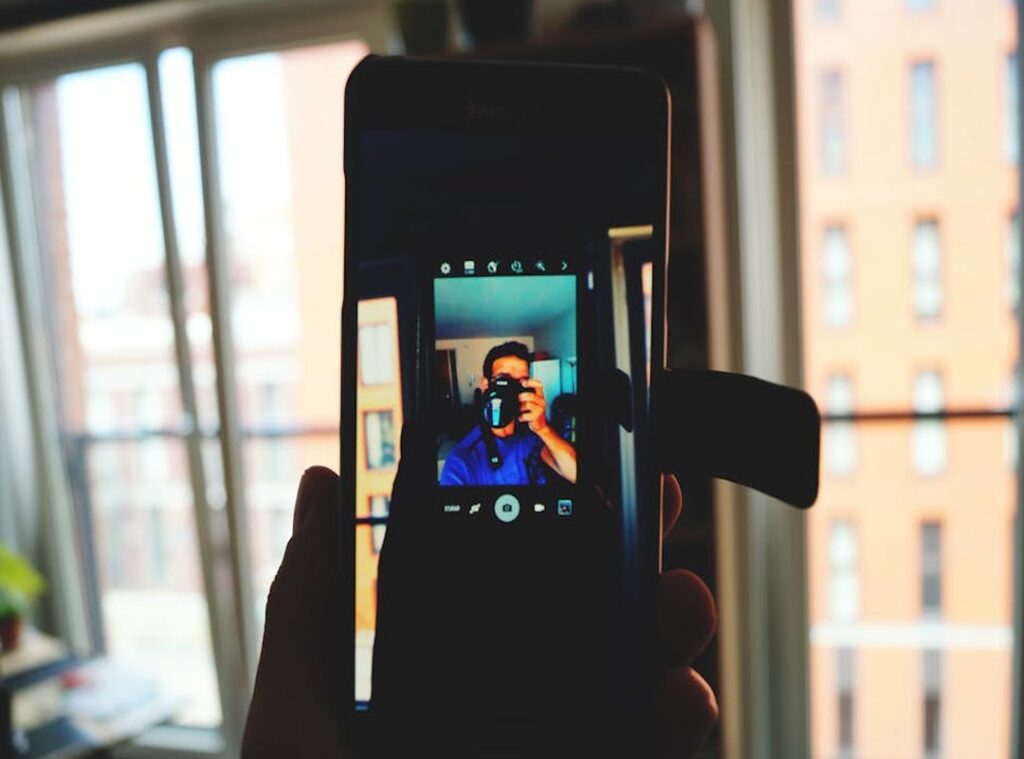
Taking a great headshot is more than just pointing and shooting. It’s about capturing someone’s essence, their personality, their vibe. And let’s be real, a bashid mclean selfie of head no blur can make or break your first impression.
You’ve probably taken a few shots that didn’t turn out right. Blurriness, bad lighting, awkward angles—sound familiar?
I get it, and it’s frustrating. But here’s the good news: with a few simple tips, you can nail that perfect, clear, and distortion-free headshot.
So, why should you trust me? I’ve been there, done that, and I know what works. I’m not just spouting off theory; I’m sharing what I’ve learned from experience.
Let’s dive in and get you that perfect shot.
Understanding the Basics of Photography
I remember the first time I picked up a camera. It was a simple point-and-shoot, and I had no idea what I was doing. But that’s where it all started.
Exposure, composition, and focus are the key elements you need to master. These three things can make or break your photos.
Let’s talk about camera settings, and iSO, aperture, and shutter speed. They sound intimidating, but they’re not.
ISO controls how sensitive your camera is to light. Aperture is the size of the lens opening, which affects how much light gets in. Shutter speed is how long the camera’s sensor is exposed to light.
Understanding these settings helps you control the exposure. You can get creative with light and shadows, making your photos stand out.
Lighting is crucial. Natural light can be soft and flattering, while artificial light can add drama and mood. I once took a photo of a friend at sunset.
The natural light made the shot look magical. Another time, I used a street lamp to light a night scene. The result was a moody, atmospheric image.
Bashid mclean selfie of head no blur. That’s the kind of clarity and sharpness you want in your photos. Good lighting and proper focus can make all the difference.
So, whether you’re shooting in the bright sun or under dim streetlights, knowing how to use light will take your photography to the next level.
Choosing the Right Equipment
Camera Selection: DSLR vs, and mirrorless vs. Smartphone cameras.
Picking the right camera can feel like choosing a life partner. No pressure, right?
DSLRs are like the reliable old truck. They get the job done and have been around forever. Mirrorless cameras, on the other hand, are the sleek, modern sports car.
They’re lighter, faster, and packed with features, and but let’s not forget about smartphone cameras. They’re like the trusty bike you ride to the corner store—convenient and always there when you need them.
Lenses: The importance of using a prime lens for headshots.
Prime lenses are like the secret sauce in a good burger. (And who doesn’t love a good burger?) They give you that crisp, clear, and sharp image that makes your subject look their best. No one wants a blurry, out-of-focus headshot.
That’s just a recipe for disaster.
Tripods and Stabilizers: Why stability is crucial for a clear, sharp image.
Stability is key. Think about it: if you’re shaking like a leaf in the wind, your photos will look like a bad dream. A good tripod or stabilizer keeps everything steady, so you can focus on getting the perfect shot.
Bashid McLean selfie of head no blur, and see? Clear as day.
Setting Up the Perfect Environment
Choosing a simple, non-distracting background is key. Clutter can take away from the focus—you want all eyes on you.
Lighting setup is crucial. Natural light is great, but if that’s not an option, ring lights and softboxes are your best friends. Position them to avoid harsh shadows and get that even glow.
Positioning the subject is where it all comes together. Bashid McLean selfie of head no blur shows how a slight tilt and a direct gaze can make a big difference.
Pro tip: Experiment with different angles to find what works best for you. A little tweak can go a long way in making your photos stand out.
Mastering Camera Settings for a Clear Headshot
ISO: Balancing sensitivity and noise. You want to keep the ISO as low as possible to avoid grain, but not so low that your image is too dark.
Aperture: Achieving the right depth of field. A wide aperture (low f-number) can blur the background, making you the focus. But be careful; too wide can make it hard to get everything in focus.
Shutter Speed: Avoiding motion blur and capturing sharp details. Fast shutter speeds freeze movement, which is crucial for a clear headshot.
Bashid McLean selfie of head no blur
PRO TIP: Start with an ISO of 100-400, an aperture of f/2.8-f/5.6, and a shutter speed of at least 1/125th of a second. Adjust based on your lighting conditions.
CAPS: ALWAYS CHECK YOUR LIGHTING. Good lighting can make or break your shot. Natural light is great, but if you’re indoors, consider using a softbox or ring light.
- ISO: Keep it low to reduce noise.
- APERTURE: Balance between a shallow and deep depth of field.
- SHUTTER SPEED: Fast enough to avoid any blur.
What’s next, and once you’ve got the settings right, practice. Take lots of shots and review them.
See what works and what doesn’t. And if you need more tips, check out Impocoolmom.
Focusing Techniques for Sharpness
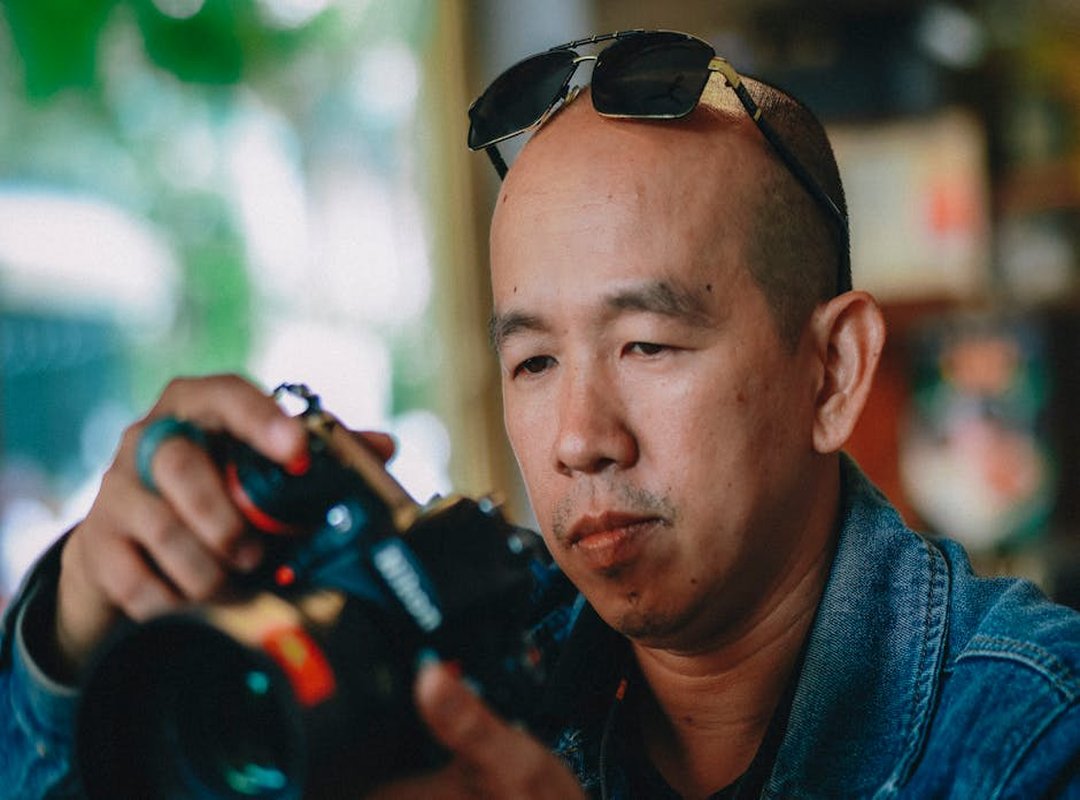
Autofocus vs, and manual Focus: When to use each.
Most of the time, autofocus is your go-to. It’s quick and reliable, especially in fast-moving situations. But there are times when manual focus is better.
For example, if you’re shooting in low light or through a window, autofocus can get confused. In those cases, switch to manual.
Focus Points: Selecting the right focus point for the subject’s eyes.
When you’re taking a portrait, always focus on the eyes. It makes the photo feel more engaging. If you’re using a camera with multiple focus points, select the one that aligns with the subject’s eye.
This ensures the most important part of the image is sharp.
Continuous Shooting: Capturing multiple shots to ensure clarity.
Use continuous shooting mode to capture a series of photos. This increases your chances of getting at least one perfectly focused shot. It’s especially useful for moving subjects, like kids or pets.
Just hold down the shutter button and let the camera do its thing.
Pro tip: Check your photos as you go. If you notice the focus is off, adjust your settings and try again.
Bashid McLean selfie of head no blur.
Post-Processing for a Professional Finish
Editing can be a real pain, right? You spend hours perfecting your shots, only to get stuck in front of the computer.
Adobe Lightroom and Photoshop are the go-to tools. They’re powerful, but man, the learning curve is steep.
Cropping, exposure, and color correction are the basics. But even these simple steps can feel overwhelming if you’re not sure what you’re doing.
Retouching, sharpening, and removing distractions, and that’s where it gets tricky. One wrong move and your photo looks over-processed.
And let’s not forget about bashid mclean selfie of head no blur. It’s a great example of how a little post-processing can make a big difference.
Pro tip: Start with small adjustments, and don’t try to do everything at once. Trust me, it’ll save you a lot of frustration.
Common Mistakes and How to Avoid Them
Poor composition can ruin a great shot, and frame your subject thoughtfully . Don’t just point and shoot.
Think about the rule of thirds and how elements in the frame interact.
Incorrect lighting is another big issue. Recognize when the light is too harsh or too dim. Natural light is usually best, but if you’re indoors, find a well-lit area or use a softbox.
Blurry images are frustrating, and keep your camera steady . Use a tripod or rest your elbows on a stable surface.
Bashid McLean selfie of head no blur . That’s what you want to aim for, and clear, sharp, and in focus.
Pro tip: Practice makes perfect , and take lots of photos and review them. You’ll start to see where you go wrong and how to fix it.
Capturing the Perfect Bashid McLean Headshot
To capture a bashid mclean selfie of head no blur, start by ensuring you have the right setup. Good lighting is crucial to avoid shadows and highlight facial features.
Use a tripod or stable surface to keep the camera steady. This prevents motion blur, which can ruin an otherwise perfect shot.
Adjust your camera settings for optimal clarity. A higher f-stop number increases the depth of field, keeping more of the image in focus.
Post-processing can enhance the photo further. Use editing software to fine-tune exposure, contrast, and sharpness.
Practice and experimentation are key. Try different angles and settings to find what works best for you.
 Founded by Drevian Rothwynd, Impocoolmom is a modern lifestyle platform dedicated to helping men navigate today’s world with confidence, clarity, and style. Through thoughtful content on masculinity, men’s wellness and grooming, lifestyle gear, practical style hacks, and emerging trends, the brand offers a sharp yet approachable perspective for readers who want to look better, feel stronger, and stay ahead of the curve.