Stuck on a crossword or word puzzle, aren’t you? I get it. You’re probably staring at that clue about a New Zealand reptile crossword clue and feeling a bit frustrated.
Well, let’s cut to the chase. I’m here to give you the answer you need, right now. No beating around the bush.
But here’s the thing: this isn’t just about solving a puzzle. It’s about unlocking a world of unique, ancient creatures.
New Zealand’s ecosystem is like no other. It’s created reptiles you won’t find anywhere else on Earth.
So, stick with me. I’ll not only help you solve your puzzle but also share some fascinating facts about these remarkable animals.
The Puzzle Hint You’re Probably Looking For
The most common answer is TUATARA. This is the most famous and unique reptile from New Zealand, often used in puzzles.
For 7 letters: TUATARA , and this is the prime candidate.
For 5 letters: GECKO or SKINK. These are the other main groups of reptiles in New Zealand.
Why is the Tuatara so popular? Its unique name and status make it a standout choice. It’s not just any lizard; it’s a living fossil with no close relatives.
I remember the first time I saw “new zealand reptile crossword clue” in a puzzle. I was stumped until I recalled a documentary about this fascinating creature.
Check your puzzle’s letter count against these options to find the perfect fit. Trust me, it’ll save you some frustration.
Meet the Tuatara: The Living Fossil with a Third Eye
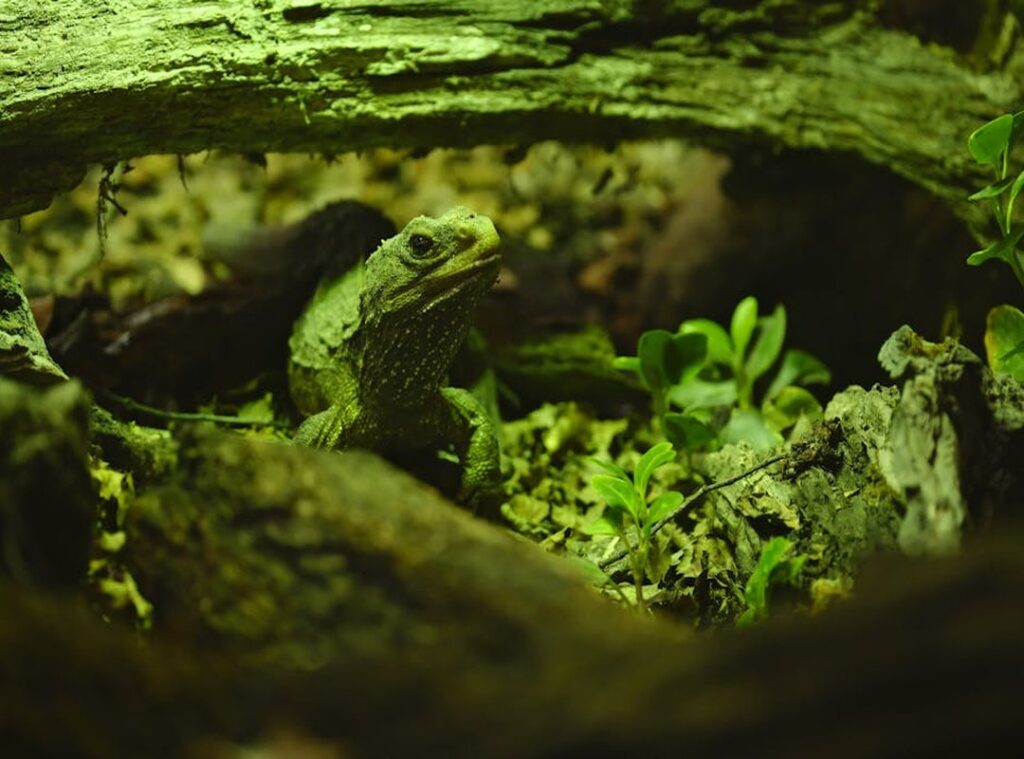
The tuatara is often mistaken for a lizard, but it’s actually the last survivor of an ancient order of reptiles called Sphenodontia. These creatures lived alongside dinosaurs and have remained largely unchanged for millions of years.
One of its most famous features is the parietal ‘third eye’ on the top of its head. This eye is sensitive to light and helps regulate circadian rhythms. It’s a unique adaptation that sets the tuatara apart from other reptiles.
The tuatara also has a spiny crest along its back, which gives it its name in Māori. Its two rows of upper teeth are another distinctive feature. These physical characteristics make it a fascinating subject for study and admiration.
Longevity is another remarkable trait. Some individuals have been known to live for over 100 years. Unlike most other reptiles, the tuatara prefers cool climates, making it well-suited to its native New Zealand habitat.
Conservation is a major concern. The tuatara is considered a national treasure in New Zealand, and efforts are ongoing to protect it from threats like introduced predators. These efforts are crucial for the survival of this unique species.
If you ever come across a New Zealand reptile crossword clue, chances are it’s referring to the tuatara. It’s a living testament to the incredible diversity and resilience of life on our planet.
Beyond the Tuatara: Discovering New Zealand’s Other Reptiles
Last summer, I was hiking in the hills near Wellington when I spotted a small, sleek creature basking on a rock. It was a skink, one of New Zealand’s other main groups of native reptiles. Skinks, or mokomoko, are typically smooth-skinned, slender, and fast-moving.
They love to soak up the sun, which makes them a common sight in many parts of the country.
Geckos, or ngārara, are another fascinating group. Unlike most geckos worldwide, New Zealand geckos give birth to live young instead of laying eggs. This is just one of the many unique traits that set them apart.
One of the most striking gecko species is the harlequin gecko. Its vibrant colors and patterns make it a real standout. Then there’s the Duvaucel’s gecko, one of the largest geckos in the world.
These guys can grow up to 30 cm long!
To tell a gecko from a skink, look at their skin and heads. Geckos have velvety skin and wider heads, while skinks are sleek and glossy. It’s a handy tip for anyone interested in these creatures.
New Zealand’s reptile diversity is truly remarkable. From the tuatara to the lesser-known geckos and skinks, there’s so much to discover. If you ever find yourself in a situation where you need to share your knowledge about these amazing animals, knowing how to speak with confidence in high stakes situations can be a real asset.
Why Are New Zealand’s Reptiles So Special?

New Zealand’s 80 million years of isolation allowed its wildlife to evolve in a unique way. Island biogeography is the key concept here. It means that when an area is isolated, the species there can develop in ways you won’t see anywhere else.
No native land mammals, except for a few bat species, meant reptiles filled ecological niches that mammals occupy elsewhere. This lack of mammalian predators allowed these reptiles to develop some fascinating traits. Slower metabolisms, longer lifespans, and even live birth are just a few examples.
Some might argue that this uniqueness isn’t all that special. They might say, “So what? Every place has unique species.” But that’s missing the point.
The evolutionary path of New Zealand’s reptiles is a rare and remarkable story.
Human settlement changed everything. The introduction of predators like rats, stoats, and cats now poses the biggest threat to these native reptiles. These invasive species have wreaked havoc on the delicate balance that existed for millions of years.
Seeing a native New Zealand reptile in the wild is a rare and special experience. The New Zealand reptile crossword clue might be a fun challenge, but it also highlights how little-known and unique these creatures are. Their survival is a testament to the resilience of nature, and it’s up to us to protect them.
Your Puzzle Solved and a New World Discovered
The puzzle answer was likely ‘Tuatara,’ a remarkable creature that’s more than just a word. This unique reptile, often referred to as a living fossil, has survived for over 200 million years. New Zealand is also home to unique live-bearing geckos and sleek skinks.
A simple puzzle clue can open the door to learning about incredible aspects of the natural world.
Appreciating the unique biodiversity of places like New Zealand highlights the importance of conservation. How much hidden history can be found in the answers to simple questions?
 Founded by Drevian Rothwynd, Impocoolmom is a modern lifestyle platform dedicated to helping men navigate today’s world with confidence, clarity, and style. Through thoughtful content on masculinity, men’s wellness and grooming, lifestyle gear, practical style hacks, and emerging trends, the brand offers a sharp yet approachable perspective for readers who want to look better, feel stronger, and stay ahead of the curve.