Art is more than just a visual experience. It’s a story, a journey, a piece of the artist’s soul. But how do you capture that essence?
How do you make sure your paintings get the attention they deserve? A cameraman para pintar can help. They know how to document and showcase your work in a way that brings out its true beauty.
Many artists struggle with this. They might have incredible skills but fall short when it comes to presenting their work. That’s where a videógrafo para pintura steps in.
They understand the nuances and can highlight the details that make your art unique.
This article will give you practical tips on finding and working with a videógrafo para pintura. You’ll learn how to enhance your portfolio and online presence. Trust me, it can make a huge difference.
Understanding the Role of a Videógrafo para Pintura
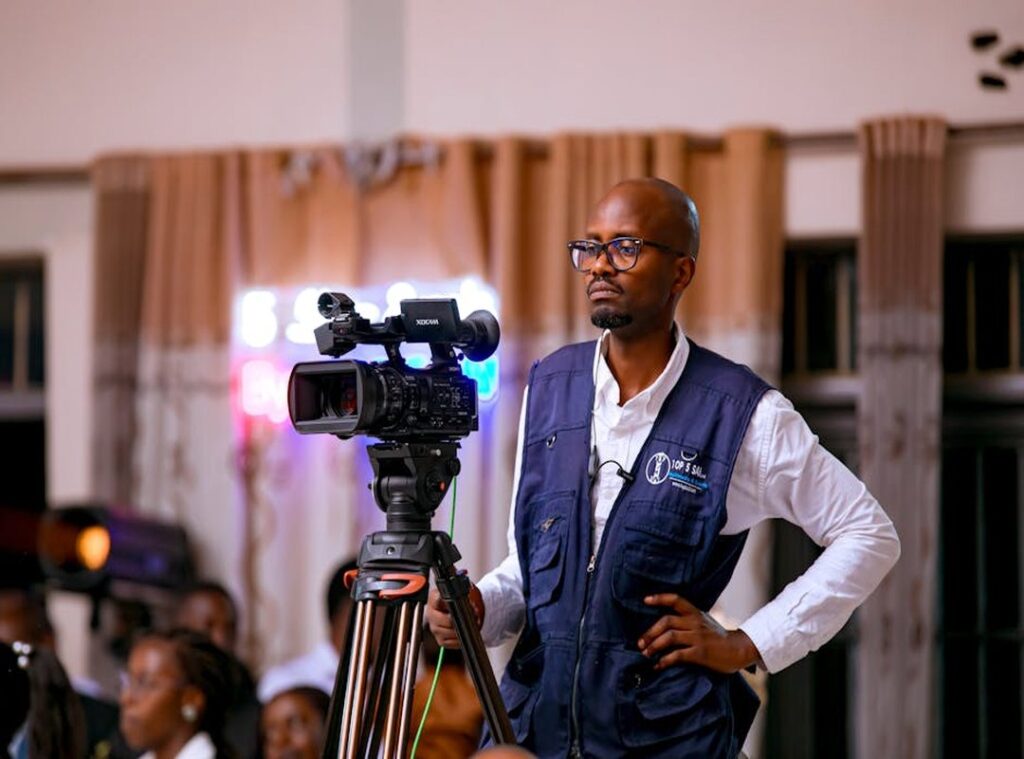
What is a videógrafo para pintura and why are they important for artists? A videógrafo para pintura is a professional who specializes in capturing and presenting paintings on video. They play a crucial role in documenting and showcasing artwork, making it more accessible to a wider audience.
- Understanding Composition: A videógrafo para pintura needs to have a strong sense of composition. This means knowing how to frame a painting so that its details and overall impact are highlighted.
- Lighting Techniques: Proper lighting is essential. The right lighting can bring out the textures and colors of a painting, making it look even more vibrant on screen.
- Camera Skills: They must be skilled with cameras, understanding how to use different angles and shots to capture the essence of the artwork. (Think of it as a cameraman para pintar.)
How can a videógrafo para pintura enhance the visibility and appeal of an artist’s work? By creating high-quality videos, they can help artists reach a broader audience online. These videos can be shared on social media, websites, and other platforms, increasing the chances of the artwork being seen and appreciated.
Pro tip: When choosing a videógrafo para pintura, look at their previous work. See if their style aligns with how you want your art to be presented.
Finding the Right Videógrafo para Pintura
Let’s face it, finding a good videógrafo para pintura can be a real headache. You don’t want to waste time and money on someone who doesn’t get your vision.
Research: How to research and identify potential videógrafos para pintura in your area or online.
Start by asking around. Friends, family, and local art groups can be a goldmine of recommendations. If that doesn’t work, hit up Google and social media.
Just make sure you’re looking at recent and relevant results.
Pro tip: Check out their websites and social media profiles. See if they have a consistent and professional presence.
Portfolio Review: Why it’s crucial to review the videógrafo’s previous work and what to look for in their portfolio.
You need to see what they’ve done before. A portfolio is like a resume for creatives. Look for variety and quality.
Do their videos capture the essence of the paintings? Are the shots well-composed?
Sometimes, a videógrafo might have great technical skills but lack the artistic touch. That’s a no-go. You want someone who can bring your artwork to life, not just document it.
Client Testimonials: The importance of reading and considering client testimonials and reviews.
Don’t skip the testimonials. They give you a real sense of what it’s like to work with the videógrafo. Pay attention to comments about their professionalism, communication, and the final product.
Pro tip: Look for specific details in the reviews. Vague praise isn’t as helpful as detailed feedback.
Finding the right cameraman para pintar is all about aligning their skills with your needs. It’s a bit of a process, but trust me, it’s worth it.
Collaborating with a Videógrafo para Pintura
When you first meet with the videógrafo, it’s crucial to discuss your vision and goals. Make sure you’re on the same page about the style, tone, and overall feel of the video.
- What’s the purpose of the video?
- What specific shots or scenes do you envision?
- What’s the timeline for the project?
Pre-Production Planning
Before the actual filming, there are several steps to take. Set up the studio, arrange the lighting, and check all the equipment. This prep work can make or break the final product.
- Set up the studio: Clear the space and ensure it’s clean and organized.
- Lighting: Test different lighting setups to find the one that best highlights your subject.
- Equipment check: Make sure all cameras, mics, and other gear are in working order.
During Filming
During the filming session, clear communication is key. Keep the lines open with the videógrafo and be ready to give direction when needed.
- Stay focused: Keep distractions to a minimum.
- Be flexible: Sometimes, the best shots come from being open to new ideas.
- Direct clearly: If something isn’t working, speak up and suggest adjustments.
Working with a cameraman para pintar can be a unique experience. They bring a specialized skill set that can elevate your video to the next level. Just make sure to stay engaged and communicate effectively throughout the process.
Post-Production and Delivery
The editing process is where the magic happens. It’s when the videógrafo takes all the raw footage and starts to refine and enhance it. Imagine sitting in a dimly lit room, surrounded by screens, and hearing the soft hum of computers as they work their digital wizardry.
Final Deliverables:
You’ll get high-quality videos that look crisp and vibrant. The colors will pop, and the scenes will flow smoothly. Sometimes, you might also receive still images or other media formats, depending on what was agreed upon.
These deliverables should feel like a polished, professional product.
Feedback and Revisions:
Providing feedback is crucial. It’s your chance to make sure the final product matches your vision. When you watch the first cut, pay attention to how the video feels.
Does it flow well, and do the transitions make sense? Is the pacing right?
If something doesn’t sit well, speak up.
Revisions are part of the process. They help fine-tune the video until it’s just right. Just remember, clear and specific feedback is key.
Vague comments can lead to more confusion than clarity.
The cameraman para pintar plays a vital role in capturing the initial footage, but the real transformation happens in post-production. It’s where the story comes together, and the sensory details—how things look, sound, and feel—become truly immersive.
Showcasing Your Work with Video
You’ve probably heard a thousand times that video is the future. But let’s be real, it’s already here. And if you’re not using it, you’re missing out.
Online Platforms:
Using video on social media, personal websites, and even art galleries can make a huge difference. It’s not just about posting; it’s about how you post.
| Platform | Best Practices |
|---|---|
| Social Media | Keep it short and engaging. Use captions and hashtags to increase reach. |
| Personal Websites | Embed videos directly. Make sure they load quickly and are mobile-friendly. |
| Art Galleries | Showcase your work in a virtual tour. Give viewers a behind-the-scenes look. |
Engagement Strategies:
Everyone talks about storytelling, but what does that really mean? It’s about making your audience feel something. Share your process, your struggles, and your triumphs.
Interactive elements like polls and Q&A sessions can also keep people coming back.
SEO Benefits:
Here’s where I might surprise you. While everyone says video boosts SEO, it’s not a magic bullet. Sure, Google loves video, but only if it’s high quality and relevant.
Don’t just throw up any old clip, and make it count.
Cameraman para pintar. (That’s Spanish for “cameraman to paint.”) Think about how you can use video to paint a picture of your work and your brand. It’s not just about the visuals; it’s about the story you’re telling.
In the end, video is a tool. Use it wisely, and don’t get caught up in the hype.
Budgeting and Cost Considerations
When you’re looking to hire a videógrafo para pintura, it’s important to know what you’re getting into. Costs can vary widely, and you want to make sure you get the best value for your money.
- Experience: More experienced videographers will charge more. But they also bring a higher level of skill and creativity.
- Location: If you’re in a big city, expect to pay more. Smaller towns might offer better rates.
- Project Scope: The complexity and length of your project play a big role. A simple shoot will cost less than a full-scale production.
So, how do you keep costs down without sacrificing quality? Here are some practical tips:
- Prioritize What Matters Most: Focus on the key elements of your project. Maybe you don’t need all the fancy extras.
- Be Flexible with Dates: Off-peak times can be cheaper. See if you can schedule your shoot during a less busy period.
- Negotiate: Don’t be afraid to ask for a better rate. Sometimes, a little negotiation can go a long way.
By being smart about your budget, you can still get high-quality results. And that’s what it’s all about, right? Getting the best cameraman para pintar for your project without breaking the bank.
Elevate Your Art with Professional Videography
cameraman para pintar plays a crucial role in capturing the essence and detail of your artwork. This not only helps in preserving the memory but also in presenting it to a broader audience.
Identify a videographer who understands the nuances of art and can bring out the best in your work. Consider their experience, portfolio, and how well they can collaborate with you to achieve your vision.
Investing in professional videography can significantly enhance your portfolio. It allows potential buyers and admirers to see your work in a new light, increasing its appeal and reach.
 Founded by Drevian Rothwynd, Impocoolmom is a modern lifestyle platform dedicated to helping men navigate today’s world with confidence, clarity, and style. Through thoughtful content on masculinity, men’s wellness and grooming, lifestyle gear, practical style hacks, and emerging trends, the brand offers a sharp yet approachable perspective for readers who want to look better, feel stronger, and stay ahead of the curve.