
I’ve always been fascinated by the weird and wonderful things in nature. Like, have you ever wondered about bentuk tahi ular? It’s not something we talk about every day, but it’s surprisingly interesting.
Finding reliable info on snake poop can be tough. There’s a lot of confusing stuff out there. But don’t worry, I’ve done the research.
This article will help you understand what snake poop looks like, how to identify it, and even answer some common questions. Let’s get into it.
What is Snake Poop?
Snake poop, or bentuk tahi ular as it’s sometimes called, is a unique type of waste. It’s not just about the shape; it has distinct characteristics.
Snakes are carnivores, so their feces contain undigested parts of their prey. This can include bits of fur, bones, and scales.
Uric acid is another key component. Unlike mammals, snakes excrete uric acid instead of urea. This makes their poop more solid and less watery.
Compared to other animals, snake poop is drier and more compact. You won’t find it as messy or smelly as, say, dog poop.
Understanding these differences can help you identify and manage snake waste if you have a pet snake.
Common Shapes and Characteristics of Snake Poop
When it comes to snake poop, the cylindrical or tubular shape is pretty standard. This shape is due to the snake’s long, narrow digestive tract. It’s like a tube that processes food, so the output naturally follows that form.
The segmented or pellet-like appearance is another key feature. This happens because snakes don’t fully break down their prey. Each segment often represents a different part of the meal.
It’s a bit like a series of little capsules, each with its own story.
Size and length can vary widely. For smaller species, you might see poop as short as an inch. Larger snakes can produce waste that’s several inches long.
The diet plays a big role too. A snake munching on bigger prey will naturally have larger droppings.
Here’s a quick breakdown:
- Cylindrical Shape: Long, narrow, and tube-like.
- Segmented Appearance: Pellet-like, indicating undigested parts.
- Size and Length: Varies from 1 to several inches, depending on the snake and its diet.
Understanding these characteristics can help you identify bentuk tahi ular more easily. It’s not just about recognizing what’s in your pet’s enclosure; it’s also about keeping tabs on their health.
How to Identify Snake Poop in the Wild
So, you’re out in the wild and come across some poop. Is it from a snake, and let’s break it down.
First, think about where you found it. Snake poop, or bentuk tahi ular as it’s sometimes called, is often found under rocks, in burrows, or near water sources. Snakes like to hide, so these spots are their go-to places.
Now, let’s talk color and texture. Snake poop is usually dark brown or black. It has a smooth, slightly moist texture.
Unlike other animal droppings, it doesn’t have a lot of rough edges or visible plant matter.
The odor can be a clue too, and snake poop has a mild, earthy smell. It’s not as strong or pungent as, say, dog poop.
This subtle scent can help you distinguish it from other animal droppings. Impocoolmom
By keeping an eye on these details, you can identify snake poop more easily. It’s all about the location, color, texture, and smell.
Differences Between Snake Poop and Other Animal Droppings
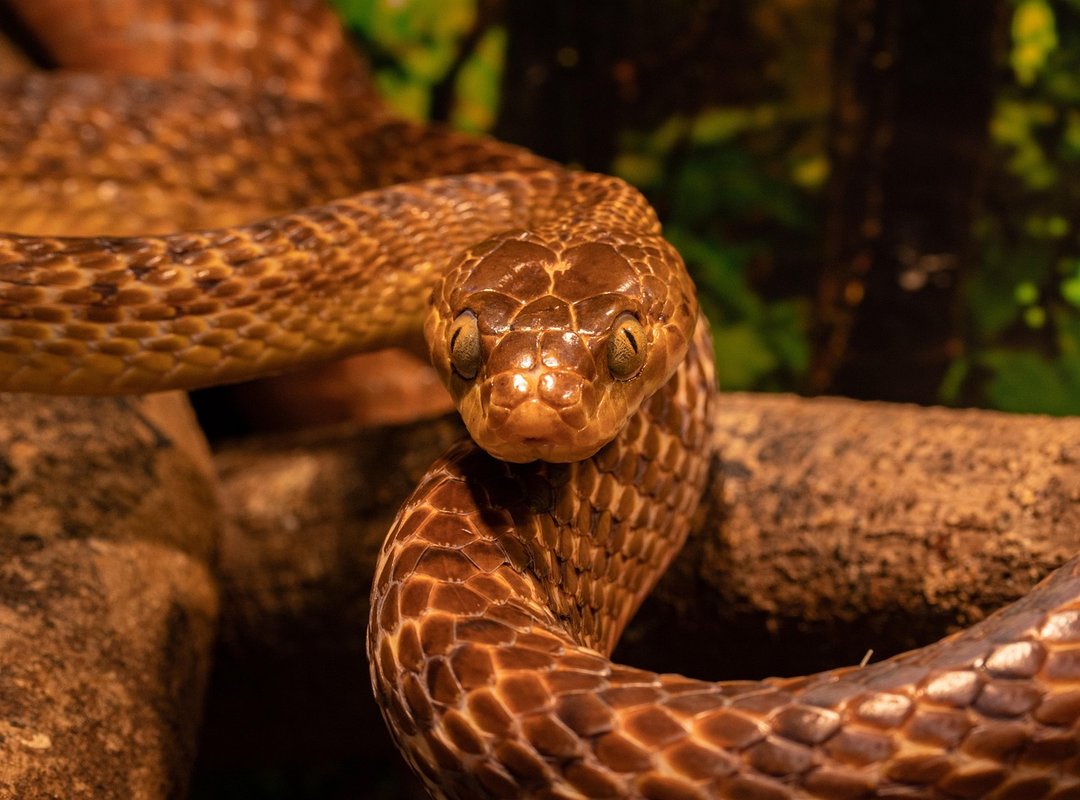
When you come across some droppings in the wild, it’s helpful to know what you’re looking at. Let’s start with the basics.
Comparison with Mammal Droppings
- Shape and Texture: Snake poop, or bentuk tahi ular as it’s sometimes called, is usually long and tubular. It often has a distinct white or yellowish cap on one end. This is the uric acid.
- Composition: Unlike mammal droppings, which are mostly solid, snake poop contains both solid and liquid waste. The solid part is the feces, and the liquid part is the uric acid.
- Smell: Mammal droppings, especially from rabbits and deer, tend to have a more earthy smell. Snake poop, on the other hand, has a more pungent, ammonia-like odor due to the uric acid.
So, if you see a long, tubular dropping with a white cap, chances are it’s from a snake.
Comparison with Bird Droppings
Bird droppings are quite different from snake poop. Here’s how:
- Appearance: Bird droppings typically have a white, chalky substance mixed with a darker, more solid part. This white part is uric acid, but it’s much more prominent in bird droppings.
- Consistency: Birds excrete both urine and feces together, but the uric acid in bird droppings is more visible and often covers a larger portion of the dropping.
- Location: You’re more likely to find bird droppings on surfaces like rocks, branches, or even your car. Snake poop, however, is usually found on the ground, often in a more secluded area.
Understanding these differences can help you identify what kind of animal left the droppings, making your outdoor adventures a bit more informative.
FAQs About Snake Poop
Is snake poop dangerous? Generally not, but handling any animal droppings should be done with caution. Wear gloves and wash your hands afterward.
How often do snakes defecate? Frequency varies by species and diet, but typically every few days to a few weeks. For example, a snake that eats once a week might defecate a few days after its meal.
Can you tell the species of a snake by its poop? While challenging, some general characteristics can give clues, but it’s not definitive. The size, shape, and consistency can provide hints, but don’t rely on it for identification.
If you find bentuk tahi ular in your yard, it’s a good idea to clean it up. Use a small shovel or a plastic bag to pick it up, and dispose of it in a sealed trash bin. This helps keep your space clean and reduces the chance of attracting other pests.
- Wear gloves when handling snake droppings.
- Use a small shovel or plastic bag to pick it up.
- Dispose of it in a sealed trash bin to avoid attracting pests.
By following these simple steps, you can handle and clean up snake droppings safely and effectively.
Examples and Visual Aids
When it comes to identifying snake poop, photographs can be incredibly helpful. High-quality images of snake poop from different species give you a clear visual reference.
Illustrations are also useful. Diagrams can highlight the key features and characteristics of snake poop, making it easier to spot in the wild.
Photographs vs. Illustrations
Photographs show real-life examples, which can be more relatable. You see the actual size, color, and texture.
Illustrations, on the other hand, can simplify and emphasize specific details. They’re great for pointing out what to look for, like the shape and consistency.
Bentuk Tahi Ular
Understanding the bentuk tahi ular (shape of snake poop) is crucial. Sometimes, a simple diagram can make it clearer than a photo.
In the end, both photographs and illustrations have their place. Use them together for the best results.
Mastering the Art of Identifying Snake Poop
Identifying bentuk tahi ular can be both a fascinating and practical skill. The shape and characteristics of snake poop often appear as small, elongated pellets or cylindrical droppings. These droppings may also contain undigested parts of their prey, such as hair or bones.
Recognizing these signs can help in understanding the presence and behavior of snakes in an area. This knowledge is not only intriguing but can also be useful for safety and conservation efforts.
By learning to identify snake poop, you can gain a deeper appreciation for the natural world and the creatures that inhabit it.
 Michaelo Taylorawsons brings a refined and confident voice to Impocoolmom, with a strong focus on modern men’s lifestyle, personal presentation, and everyday self-improvement. His writing explores the balance between timeless masculinity and current trends, offering readers practical insights on grooming, wellness, style choices, and lifestyle upgrades that feel both relevant and easy to apply.