
Your logo is the first thing people see.
And most of them forget it before they finish scrolling.
I’ve watched businesses pour money into websites and ads (then) slap on a logo that looks like every other one in their industry. (Yeah, you know the type.)
It’s not about being pretty. It’s about being remembered.
A Logos Flpmarkable logo doesn’t just sit there. It sticks. It sparks recognition.
It makes people pause (and) flip back to your brand, even later.
You’re not hiring a designer just to make something that fits in a box. You want one that stands out on purpose.
So why do so many logos fail? They’re safe. Generic.
Designed for approval (not) attention.
That’s the real problem. Not bad taste. Not tight budgets.
Just playing it too small.
This article shows you how to build a logo that earns attention (not) begs for it.
No design degree needed. No jargon. Just clear choices that work.
By the end, you’ll know what makes a logo truly flipmarkable (and) how to spot (or create) one yourself.
Even if you’ve never opened Photoshop.
Even if your last “design decision” was picking a font from a dropdown.
You’ll walk away with a filter. A way to test any logo. Yours or someone else’s (against) what actually moves the needle.
Let’s get started.
What Makes a Logo Flipmarkable?
A logo is flipmarkable when it sticks (no) effort, no explanation. Just there, in your head, like that jingle you hate but can’t quit.
I’ve seen logos vanish after one glance. Others? You spot them sideways on a coffee cup and know exactly who they are.
Flipmarkable means memorable. Simple. Versatile.
Appropriate. Timeless. Unique.
Not all at once (but) most, every time.
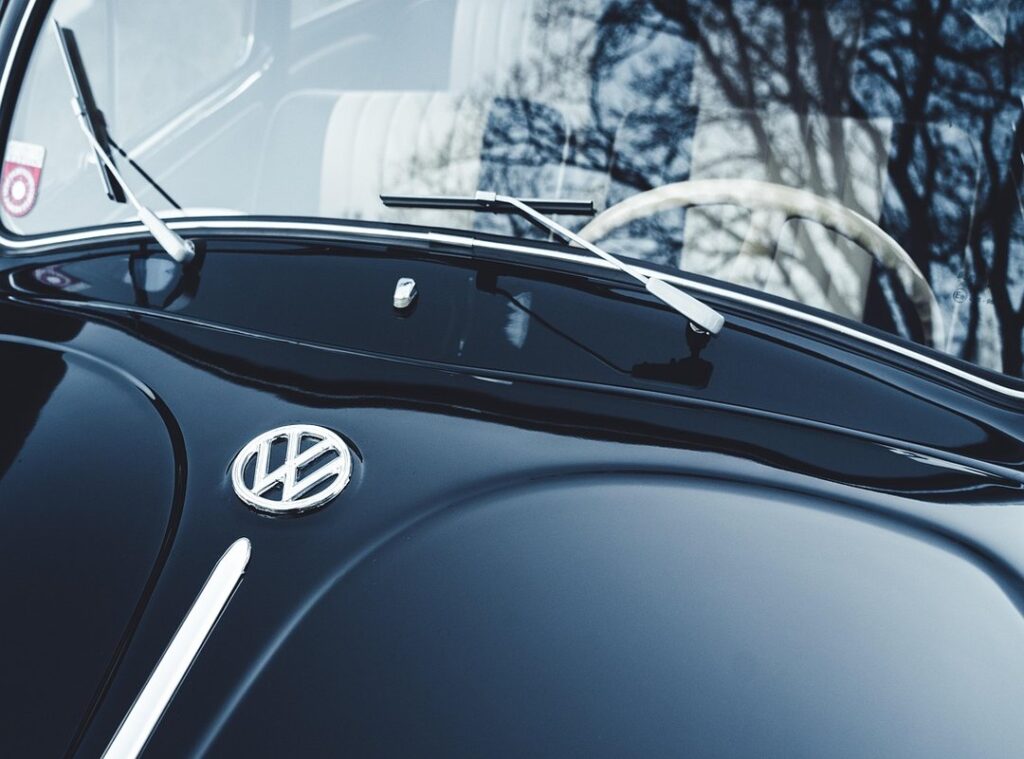
Think of the bitten fruit. Or the swoosh. Neither needs words.
They’re visual shortcuts to what the brand stands for. And you get it instantly.
Simple wins because your brain isn’t trying to decode it. Complexity slows recognition. A cluttered logo fights for attention instead of earning it.
Versatility means it works on a billboard or a pen cap. If it falls apart at 16 pixels, it fails.
Appropriate means it fits your actual work (not) what you wish you did. Timeless means it won’t look dated next year. Unique means it doesn’t whisper “me too.”
Logos Flpmarkable aren’t designed to impress other designers. They’re built to land with real people.
You’re not hiring a logo. You’re hiring a silent ambassador.
Want to test yours? Try drawing it from memory right now. Can you?
(If not, maybe start over.)
Your Brand’s Heartbeat Comes First
A great logo starts with your business’s heartbeat. Not your software stack. Not your pricing page.
Your actual reason for existing.
What problem do you solve? (Not “we sell widgets.” Try “we stop small shops from losing sales to broken checkout flows.”)
Who are you talking to? Real people. Not “demographic segments.” Your neighbor.
Your cousin who runs a bakery. The nurse who texts you at 2 a.m. asking where to buy sustainable bandages.
What’s your brand’s personality? Fun? Serious?
Modern? Traditional? Luxurious?
Budget-friendly? Pick one. Then pick another.
Now pick the real one (not) the one you wish you were.
Ask yourself:
What three words would your best customer use to describe you? What do you hate about competitors’ tone? When do people feel most relieved to see your name?
These answers shape everything. Colors. Fonts.
Shapes. Even spacing.
Logos Flpmarkable aren’t made in isolation. They’re pulled straight from this work.
Skip this step and you’ll get a logo that looks fine. Then fades fast.
You already know what feels off about generic design. Don’t ignore that.
Start here. Not with fonts. Not with vector tools.
With your gut.
Shapes, Colors, and Fonts Don’t Lie

I’ve watched people choose a logo based on what looks cool. Then wonder why it feels off six months later.
Circles pull people in. They signal unity. Think of a group hug (not) a boardroom.
Squares sit solid. They say “we keep promises.” Banks love them. (And yes, that’s why your bank app feels boring.)
Triangles point.
They mean action or tension. A sharp arrow. A mountain peak.
Not a nap.
Blue calms. Red wakes you up. Green grows.
Yellow shouts look here. But your audience matters more than the textbook. Teens don’t trust navy blue like accountants do.
Serif fonts feel like a handshake from 1952. Sans-serif? Your phone screen.
Script? A note passed in class. Personal, but hard to read at small sizes.
Readability isn’t optional. If you can’t read it on a coffee cup, it fails.
You don’t pick shapes, colors, and fonts separately. You combine them until they click. A triangle with soft yellow and rounded script?
That’s where Logos Flpmarkable helps. Not with trends (but) with consistency.
That’s not stable. It’s confusing.
What’s the first thing people feel when they see your logo? Not what you want them to feel. What they actually feel.
Test it on someone who doesn’t know your brand. Watch their face. If they pause longer than two seconds, something’s wrong.
Fonts must be legible. Colors must match your tone. Not just your mood.
Shapes must support your message. Not fight it.
No magic. Just honesty.
How to Make a Logo Stick in Someone’s Brain
I look at competitor logos. Not to copy. To avoid doing the same thing.
You do this too, right? (It’s boring when ten companies use the same arrow icon.)
Sketch by hand first. Even if your drawing looks like a potato. Your brain moves faster with pen and paper.
Digital tools wait for you. Paper doesn’t judge.
Keep it simple. One idea. One shape.
One color if you can. A logo with six elements won’t stick. It’ll just blur.
Test it small. Print it tiny on a business card. Zoom out on your phone screen.
If it falls apart at 16 pixels, it fails.
Ask real people: What do you see? What does it say? Not “Do you like it?” That’s useless. You want to know if it’s Logos Flpmarkable (clear) at a glance, easy to recall, hard to forget.
Try flipping it upside down. Can you still recognize it? That’s the flipmark test.
If not, go back.
Use negative space smartly. The FedEx arrow is famous. But don’t force it.
Hidden meaning only works if it feels natural (not) like a puzzle no one wants to solve.
You’re not designing for art class. You’re designing for memory.
Need more hands-on help? this guide walks you through real examples step by step.
Your Logo Isn’t Just a Drawing
A forgettable logo costs you customers. It sits there. Does nothing.
Gets ignored.
I’ve seen it happen. Again and again. You spend money on ads, but no one remembers your name.
Why? Because your logo doesn’t stick.
That’s why Logos Flpmarkable matters. Not as a buzzword. As a filter.
If it won’t flip over in someone’s mind and stay there (you’re) not done.
You don’t need more fonts or colors. You need clarity. Confidence.
A story that fits your voice. Not a trend.
So stop waiting for inspiration. Grab paper. Sketch badly.
Cross things out. Ask yourself: What do I want people to feel before they even read my name?
Your brand isn’t weak.
It’s just wearing the wrong face.
Don’t just have a logo. Make one that lands. Make one that sticks.
Start today. Sketch one idea before lunch. Then another.
Then fix the one that feels almost right.
Your audience isn’t scrolling past you on purpose.
They’re just not remembering you.
Fix that.
Now.
 Michaelo Taylorawsons brings a refined and confident voice to Impocoolmom, with a strong focus on modern men’s lifestyle, personal presentation, and everyday self-improvement. His writing explores the balance between timeless masculinity and current trends, offering readers practical insights on grooming, wellness, style choices, and lifestyle upgrades that feel both relevant and easy to apply.