
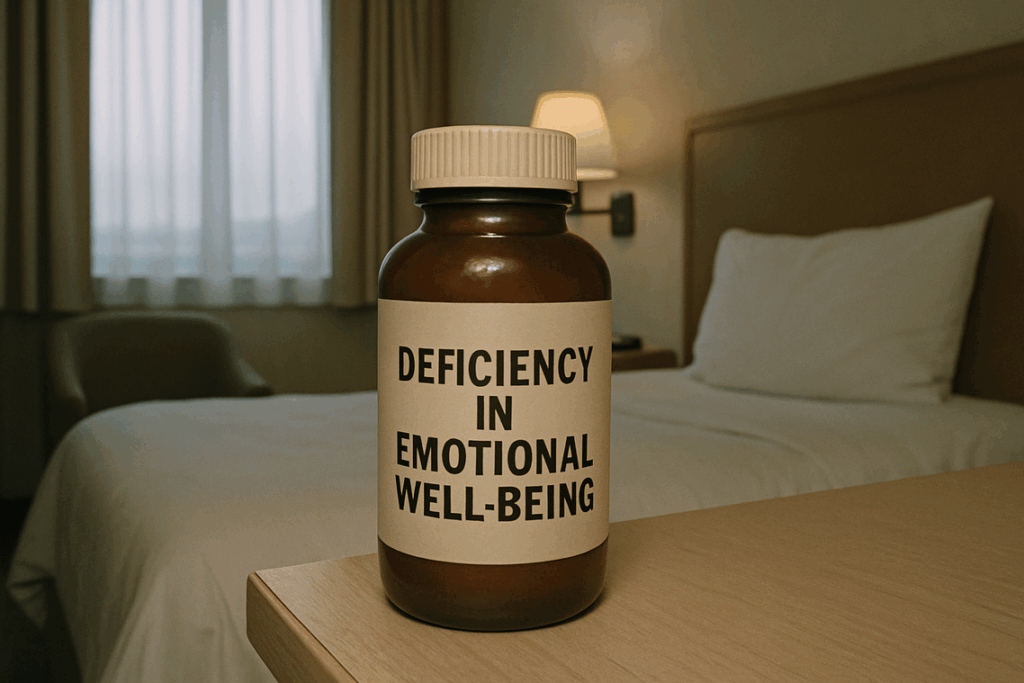
If you’re searching for ways to strengthen emotional intelligence in men, you’re likely looking for practical guidance—not vague advice or outdated stereotypes. Modern masculinity is evolving, and today’s men are expected to lead with self-awareness, communicate clearly, and build stronger relationships both personally and professionally.
This article breaks down what emotional intelligence actually means in real life: how to recognize emotions without suppressing them, respond instead of react, and develop habits that improve confidence, resilience, and connection. You’ll find straightforward strategies you can apply immediately—whether you want to improve your relationships, sharpen your leadership skills, or simply feel more in control of your inner world.
Our insights are grounded in current psychological research, behavioral science, and real-world observations of high-performing men across industries. The goal is simple: give you clear, actionable tools to build emotional strength that feels authentic, practical, and sustainable.
I used to think being “strong” meant saying, “I’m fine,” even when I wasn’t. (Spoiler: I was not fine.) That outdated stoic ideal—men as granite statues—sounds noble, but it quietly wrecks relationships, careers, and mental health. Suppressed emotion doesn’t disappear; it leaks out as anger, silence, or burnout.
Here’s the shift: strength today is awareness. Emotional intelligence (EQ)—the ability to recognize, understand, and manage your emotions—turns reactions into responses. Research shows higher EQ improves leadership and relationship satisfaction (Harvard Business Review).
This is a practical roadmap to building emotional intelligence in men:
- Notice triggers
- Name feelings
- Communicate clearly
(Pro tip: pause before replying.)
Decoding Emotional Intelligence: More Than Just “Feelings””
Emotional intelligence isn’t about tearing up at commercials or talking about your childhood for hours. It’s about being strategic with your inner world. Think of it like a high-performance car’s diagnostic system. The dashboard doesn’t drive the car for you—it gives you real-time data so you can win the race.
First, Self-Awareness is knowing your current state. Are you stressed, annoyed, confident? If you can’t read your own dashboard, you’re driving blind. Next, Self-Regulation is impulse control. Instead of firing off that angry text, you pause. You steer instead of swerve.
Then there’s Motivation—your internal engine. This isn’t hype; it’s the steady drive that gets you to the gym after a long day. Empathy is reading other people’s dashboards. You notice your partner’s tone shift or your coworker’s frustration. Finally, Social Skills are how you handle those readings—communicating clearly, resolving conflict, building alliances.
Some argue this sounds “soft.” In reality, emotional intelligence in men is tactical. Leaders in business and sports consistently rank high in EQ traits (Harvard Business Review). So rather than suppress emotions, use them as data. Because smart men don’t ignore signals—they optimize them.
The Hidden Toll: How a Low EQ Sabotages Success

Back in 2020, when remote work forced millions into Zoom rooms overnight, one weakness became glaringly obvious: people who couldn’t read a room struggled even more when the room was virtual. That’s the quiet cost of low emotional quotient (EQ)—your ability to recognize, understand, and manage emotions in yourself and others.
Relationships: Death by Misunderstanding
Low EQ often shows up as:
- Dismissing a partner’s feelings as “overreacting”
- Struggling to name your own emotions beyond “fine” or “stressed”
- Defaulting to anger when you actually feel hurt
Over time, this creates shallow friendships and constant friction at home. According to the American Psychological Association, poor emotional regulation is strongly linked to relationship dissatisfaction and conflict (APA, 2022). Some argue that being “less emotional” protects men from drama. But suppression isn’t strength—it’s avoidance (and people can feel the difference).
Career: The Invisible Ceiling
You might be technically brilliant. But if you can’t navigate office politics, give constructive feedback, or handle criticism, promotions stall. Research from TalentSmart shows EQ accounts for 58% of performance across roles. Leadership demands trust, and trust requires emotional intelligence in men—not stoicism alone.
Wellness: The Slow Burn
Emotional suppression raises cortisol levels, increasing long-term stress risk (Harvard Health, 2021). Chronic stress fuels anxiety, burnout, and even cardiovascular strain. Pro tip: naming an emotion reduces its intensity—a technique backed by UCLA neuroscience research.
If you’re rethinking outdated scripts, start with breaking stereotypes healthy expressions of masculinity: https://impocoolmom.com.co/breaking-stereotypes-healthy-expressions-of-masculinity/
Because strength isn’t silence. It’s awareness.
Your EQ Toolkit: 4 Actionable Ways to Build Emotional Muscle
Emotional intelligence (EQ) sounds abstract, but think of it as emotional muscle. The more you train it, the stronger and more reliable it becomes under pressure. If that feels vague, let’s break it down into four simple, repeatable habits.
Practice the “Emotional Check-In”
First, build awareness. An emotional check-in is a 30-second pause where you ask: What am I feeling right now, and why? Instead of defaulting to “mad” or “fine,” expand your vocabulary. Are you frustrated, overlooked, anxious, embarrassed, or disappointed?
For example, snapping at a coworker might not be anger. It could be stress about a deadline. Labeling the emotion reduces its intensity—a psychological principle known as “affect labeling,” shown to calm the brain’s threat response (Lieberman et al., 2007).
In other words, name it to tame it. (Yes, it’s simple. That’s why it works.)
Master the Strategic Pause
Next comes control. The strategic pause means taking one slow breath and counting to five before responding in a tense moment. This interrupts impulsive reactions driven by the amygdala—the brain’s alarm system—and gives your prefrontal cortex time to step in (Harvard Health Publishing, 2020).
Imagine getting a critical text. Instead of firing back, you breathe, count, then respond. That five-second gap is where growth lives.
Over time, this rewires your default from reaction to response. Think of it as upgrading your internal software.
Develop Active Listening Skills
Now let’s clarify listening. Active listening isn’t waiting for your turn to talk. It’s fully focusing on the speaker.
Start with basics: put your phone away. Maintain eye contact. Then reflect back: “So what I hear you saying is…” This confirms understanding and reduces miscommunication.
Also pay attention to non-verbal cues—tone, posture, facial tension. Communication is more than words (Mehrabian, 1971).
Learn to Handle Constructive Feedback
Finally, reframe feedback. Constructive feedback is information intended to help you improve—not a personal attack.
When receiving criticism, try this process: pause, listen fully, ask one clarifying question, then say, “Thanks for pointing that out.” You can evaluate it later.
This shift is central to emotional intelligence in men because it replaces defensiveness with growth. And growth, unlike ego, actually builds strength.
Last year, I watched a close friend lose a relationship because he thought staying silent made him strong. He was following the old script of masculinity—stoic, distant, unshakeable. It cost him connection. That model is limiting and ineffective in today’s world. Real strength is built through emotional intelligence in men, a skill you can practice and measure. It improves:
- Communication
- Conflict recovery
- Self-respect
This approach works because it’s proactive, not reactive. Choose one EQ Toolkit technique and practice it daily for a week. Start there. Your relationships will feel the shift. That’s strength redefined. For real change.
Leveling Up Modern Masculinity Starts Now
You came here looking for clarity on what modern masculinity really looks like—and now you have it. From sharpening your style to upgrading your wellness habits and refining your mindset, you’ve seen how small, intentional changes create real momentum.
The truth is, most men feel stuck between outdated expectations and modern pressures. You don’t want surface-level advice. You want practical strategies that actually improve your confidence, presence, and performance. That’s where focusing on emotional intelligence in men becomes a true advantage—it strengthens your relationships, sharpens your decision-making, and sets you apart in every room you walk into.
Now it’s on you to take the next step.
If you’re tired of guesswork and ready for proven insights that elevate your grooming, style, mindset, and edge, tap into the guidance trusted by thousands of growth-driven men. Get the tools, trend breakdowns, and no-BS strategies designed to help you lead with confidence.
Don’t settle for average. Start building the sharper, stronger version of yourself today.
 Michaelo Taylorawsons brings a refined and confident voice to Impocoolmom, with a strong focus on modern men’s lifestyle, personal presentation, and everyday self-improvement. His writing explores the balance between timeless masculinity and current trends, offering readers practical insights on grooming, wellness, style choices, and lifestyle upgrades that feel both relevant and easy to apply.