
If you’ve been weighing cold showers vs sauna benefits, you’re probably looking for more than hype—you want to know which one actually improves recovery, boosts energy, supports testosterone, and sharpens mental resilience. With social feeds packed full of extreme morning routines and wellness challenges, it’s hard to separate real physiological benefits from trend-driven noise.
This article breaks down the science, performance impact, and practical lifestyle advantages of both cold exposure and heat therapy. We’ll compare how each affects muscle recovery, circulation, stress response, cardiovascular health, and mental toughness—so you can decide what fits your goals and routine.
Our insights draw from peer‑reviewed research, sports performance data, and expert-backed wellness analysis, ensuring you’re getting evidence-based guidance—not bro-science. Whether you’re optimizing for strength, longevity, focus, or daily energy, you’ll walk away knowing exactly when to choose cold, when to choose heat, and how to use both strategically.
Fire vs. Ice: The Ultimate Showdown for Men’s Wellness
Men chasing peak performance often face a locker-room debate: sauna heat or icy blasts?
Think of heat like a slow-cooking oven for your muscles, loosening tight fibers and melting stress. Cold water, by contrast, is a reset button—like rebooting a frozen laptop—shocking your system back to alertness.
The real question isn’t cold showers vs sauna benefits; it’s which lever you need to pull. Conflicting advice muddies the waters, leaving men unsure which temperature turns the key.
This guide cuts through the steam and frost with evidence, showing when to:
• recover.
The Case for Cold Showers: Embracing the Shock
The first time I turned the handle to cold, every instinct screamed to turn it back. My breath shortened. My mind panicked. And then something shifted. I stayed. That moment—choosing discomfort on purpose—felt like winning a private battle.
Mental Resilience & Discipline
Cold water is controlled adversity. By willingly stepping into discomfort, you train discipline the same way lifting weights trains muscle. Psychologists define stress inoculation as gradual exposure to manageable stress to build coping strength (Meichenbaum, 2007). A two-minute cold shower becomes a daily rep for your willpower. (And yes, some mornings it still feels like a bad idea.)
Metabolism & Brown Fat Activation
Cold exposure stimulates brown adipose tissue (BAT)—a type of fat that burns calories to generate heat. Research in The New England Journal of Medicine (2009) confirmed adults retain metabolically active BAT. In simple terms: your body works harder to warm you up, increasing energy expenditure. It’s not magic—but it’s a lever.
Reduced Inflammation & Faster Recovery
Athletes use ice baths to reduce delayed onset muscle soreness (DOMS). Cold constricts blood vessels, limiting inflammation before circulation rebounds. After heavy leg days, I’ve noticed less stiffness when I commit to the chill. Pro tip: keep it under five minutes to avoid overexposure.
Enhanced Alertness & Mood Boost
Cold shock spikes norepinephrine, a neurotransmitter tied to focus and mood (Hsieh et al., 2018). The result? Immediate clarity—like flipping on stadium lights in your brain.
People debate cold showers vs sauna benefits, but the real win is deliberate discomfort. Sometimes growth starts with a shiver.
The Power of the Sauna: Soaking in the Heat

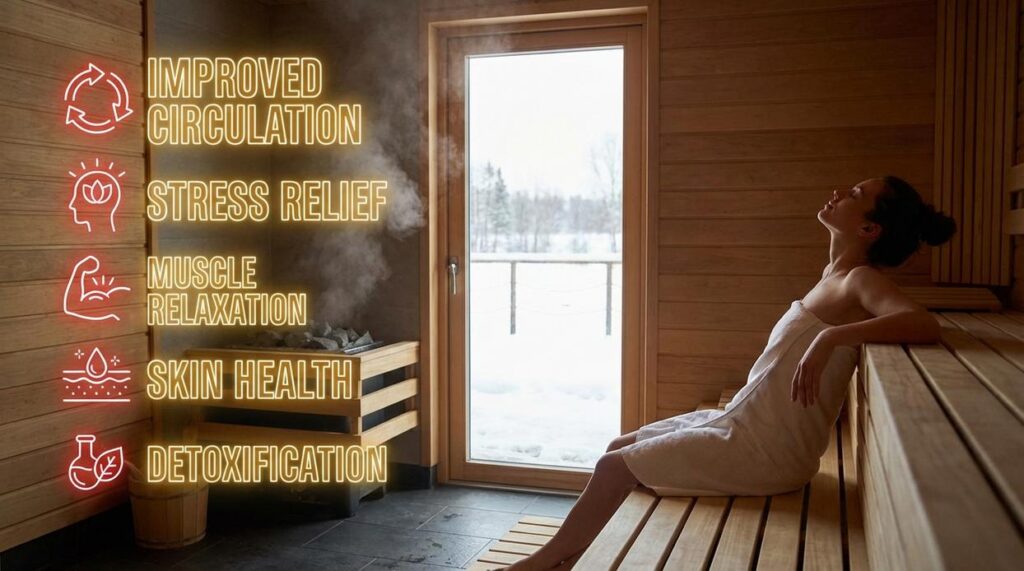
Step into a sauna and within minutes your body shifts gears. First, stress hormones like cortisol—the body’s primary stress chemical—begin to drop. At the same time, the parasympathetic nervous system (your “rest and digest” mode) activates, slowing the heart rate and calming the mind. In contrast to doom-scrolling before bed (we’ve all done it), regular sauna sessions are linked to improved sleep quality and reduced tension (Laukkanen et al., 2015).
Cardiovascular Health: Sauna vs. Sitting Still
Here’s where it gets interesting. The intense heat creates heat stress, which elevates heart rate and dilates blood vessels—similar to moderate cardio exercise. While it’s not a replacement for lifting or sprint work, studies show frequent sauna use is associated with reduced risk of cardiovascular disease (JAMA Internal Medicine, 2015). Compare that to a sedentary recovery routine, and the difference is stark: one stimulates circulation; the other lets it stagnate.
When weighing cold showers vs sauna benefits, think stimulation versus saturation. Cold jolts the system; sauna deeply relaxes it.
Detox & Grooming Gains
Deep sweating helps eliminate trace heavy metals like lead and cadmium (Genuis et al., 2011). More visibly, it clears pores and improves skin tone. Pair it with the ultimate mens skincare routine for every skin type and you amplify results.
Pain Relief & Muscle Recovery
Finally, heat penetrates muscle tissue, increasing blood flow and reducing stiffness. Compared side-by-side with passive rest, sauna use accelerates recovery and eases chronic aches. Pro tip: hydrate aggressively before and after to maximize benefits and avoid fatigue.
Head-to-Head: Which Is Better for Your Specific Goals?
When it comes to cold showers vs sauna benefits, I don’t think this is a battle. It’s a tool selection problem. You don’t use a hammer to tighten a screw (unless you enjoy chaos). Same logic here.
For Immediate Post-Workout Recovery: Cold showers win. The rapid constriction of blood vessels—called vasoconstriction (the narrowing of blood vessels)—can reduce swelling and blunt acute inflammation. Some studies suggest cold exposure may reduce delayed onset muscle soreness (DOMS) (Bleakley et al., 2012). Critics argue you might blunt muscle growth by reducing inflammation too much. Fair. But if you’re training again tomorrow, recovery speed matters.
For Pre-Workout Loosening or Chronic Pain: Saunas take it. Heat increases circulation and tissue elasticity, making movement smoother and less stiff. Heat therapy has been shown to reduce chronic musculoskeletal pain (Fioravanti et al., 2012). If your knees sound like bubble wrap, heat first. ALWAYS.
For a Morning Energy Jolt: Cold showers. Period. Cold exposure spikes norepinephrine—a hormone tied to alertness (Shevchuk, 2008). It’s like flipping your nervous system from airplane mode to LAUNCH MODE.
For Evening Wind-Down & Sleep Prep: Sauna wins. Passive heating raises core temperature; when your body cools afterward, it signals sleep readiness. It’s basically a biological off-switch (Haghayegh et al., 2019).
For Immune System Support: Both have a case. Cold may elevate white blood cell counts (Buijze et al., 2016), while heat triggers heat shock proteins—protective molecules that help cells handle stress. I lean toward contrast exposure for resilience.
For Skin & Grooming: Sauna first to open pores (pores don’t literally open, but heat softens debris), then a quick cold rinse to tighten the look.
Pro tip: Don’t overcomplicate it. Match the method to the mission.
Choosing between heat and cold is like picking tools from a garage. A hammer isn’t better than a wrench; it depends on the job. The same goes for cold showers vs sauna benefits. One jolts your system awake like an espresso shot, the other melts tension like butter on toast. The goal decides the tool.
Stop hunting for a magic bullet. Instead, build a thermal toolkit. Contrast therapy—alternating hot and cold—is the circuit training of recovery, pumping circulation like a heart-level workout.
This week, finish one shower with 30 seconds cold or book a 15-minute sauna session. Start small, stay consistent.
Step Into the Edge
You came here to finally understand the real cold showers vs sauna benefits debate — not the bro-science version, but what actually works for your body, mindset, and daily performance. Now you know how each impacts recovery, stress resilience, circulation, testosterone support, and mental toughness.
The real pain point isn’t choosing one over the other. It’s feeling drained, foggy, inflamed, or stuck in a body that isn’t operating at full capacity.
Cold builds grit and sharpens focus. Heat accelerates recovery and melts stress. Used strategically, they become tools — not trends — that upgrade how you show up every day.
If you’re tired of low energy, slow recovery, or inconsistent routines, it’s time to take action. Start implementing one protocol this week — even 2–3 cold finishes after showers or two sauna sessions can shift your baseline fast.
Men who optimize their recovery outperform those who don’t. Join thousands of readers who use our performance-backed wellness insights to build stronger habits, smarter routines, and a sharper edge.
Your move: pick your protocol, commit for 14 days, and feel the difference for yourself.
 Taranica Salgadozo contributes a fresh and thoughtful perspective to Impocoolmom, covering topics that connect men’s wellness, style evolution, and contemporary living. With an eye for detail and a clear understanding of modern trends, her content helps readers discover smarter grooming habits, better lifestyle choices, and polished ways to stay confident in an ever-changing world.