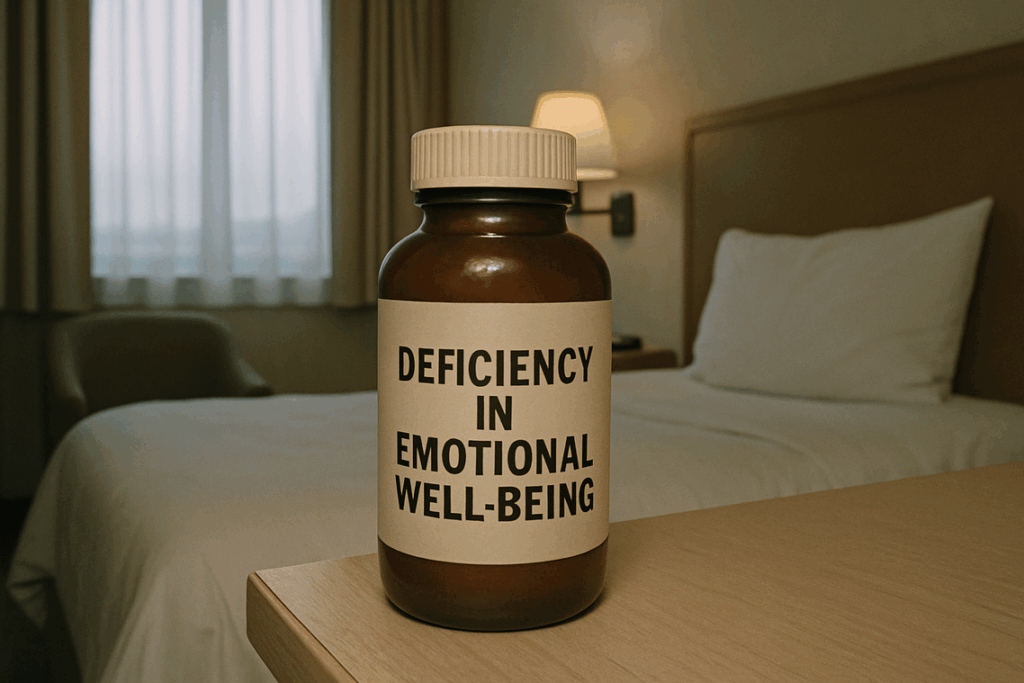

Modern masculinity is evolving—and fast. If you’re here, you’re likely looking for practical, grounded guidance on how to show up better in your life: sharper in style, stronger in mindset, smarter about grooming, and more aware in your relationships. This article delivers exactly that—clear, actionable insights into men’s wellness, lifestyle upgrades, trend awareness, and the growing importance of emotional intelligence for men in today’s world.
Too many resources either cling to outdated stereotypes or swing to extremes that don’t reflect real life. We take a balanced, research-informed approach—drawing from current wellness studies, grooming science, behavioral psychology, and cultural trend analysis—to give you advice that actually works in the real world.
Whether you want to refine your personal style, upgrade your daily habits, or build confidence that feels authentic, this guide breaks it down into practical steps you can apply immediately.
Society still sells men the strong, silent type—especially in places like West Texas oil fields or high-pressure Manhattan trading floors. We’re told to grind, not feel. But bottling everything up fuels stress, anxiety, and that low-grade burnout you shrug off at the gym. Emotional isolation isn’t toughness; it’s a liability.
The fix isn’t group therapy clichés. It’s practical: build emotional intelligence for men. Start with:
- Naming what you feel (anger vs. disappointment)
- Listening without planning your comeback
- Checking in with one trusted friend weekly
Strengthen communication, and you’ll build resilience that carries from boardroom to barbershop. That’s real strength.
Why Your Relationships Define Your Well-Being
Science isn’t sentimental about connection—it’s biological. When you have meaningful conversations or share a laugh with someone you trust, your body lowers cortisol (the primary stress hormone) and increases oxytocin, often called the “bonding hormone.” Oxytocin promotes calm, trust, and emotional stability (Cleveland Clinic, 2022). In simple terms: connection tells your nervous system you’re safe.
Now compare two paths.
Path A: Isolation. You bottle things up, handle stress alone, and pride yourself on independence.
Path B: Connection. You build a small circle, talk things through, and practice emotional intelligence for men.
The outcomes aren’t subtle. Chronic loneliness is linked to higher rates of depression, cardiovascular disease, and weakened immune response (CDC; Holt-Lunstad et al., 2015). In fact, prolonged social isolation carries health risks comparable to smoking 15 cigarettes a day (Holt-Lunstad et al., 2015). That’s not weakness—that’s physiology.
Modern culture once sold the lone-wolf ideal. But TRUE STRENGTH isn’t silent endurance; it’s strategic vulnerability.
• Isolation hardens you temporarily—but strains your body long-term.
• Connection steadies you emotionally—and strengthens you physically.
Think of it like training: recovery builds muscle, not constant strain. Relationships are recovery for the mind.
Resilience doesn’t grow in solitude. It grows in shared space, shared struggle, and shared trust.
Skill #1: The Power of Active Listening
Active listening isn’t just staying quiet while someone else talks. It’s the deliberate practice of fully concentrating, understanding, responding, and remembering what’s being said. In other words, you’re not just hearing words—you’re absorbing meaning (yes, there’s a difference).
If you want stronger relationships—at work, at home, or anywhere in between—I recommend mastering three techniques:
- The Playback. Briefly paraphrase what you heard: “So, what you’re saying is…” This confirms understanding and shows you’re engaged. Therapists use this technique because it builds trust and reduces miscommunication (American Psychological Association).
- Ask open-ended questions. Skip the yes-or-no traps. Try “How did that feel?” or “What happened next?” These invite depth instead of shutting the door on the conversation.
- Eliminate distractions. Put the phone down. Turn away from the TV. Face the person. These non-verbal cues signal respect instantly—and respect is currency in any relationship.
Some argue that multitasking proves efficiency. I disagree. Divided attention communicates divided interest. If someone matters, give them your focus.
Active listening makes people feel valued, which is the foundation of trust. It’s also a cornerstone of emotional intelligence for men, especially when balancing ambition and connection. If you’re serious about growth, start here—and explore more on balancing ambition and well being in the modern mans life. Pro tip: remember one small detail later—it leaves a lasting impression.
Skill #2: Expressing Yourself with Clarity and Honesty
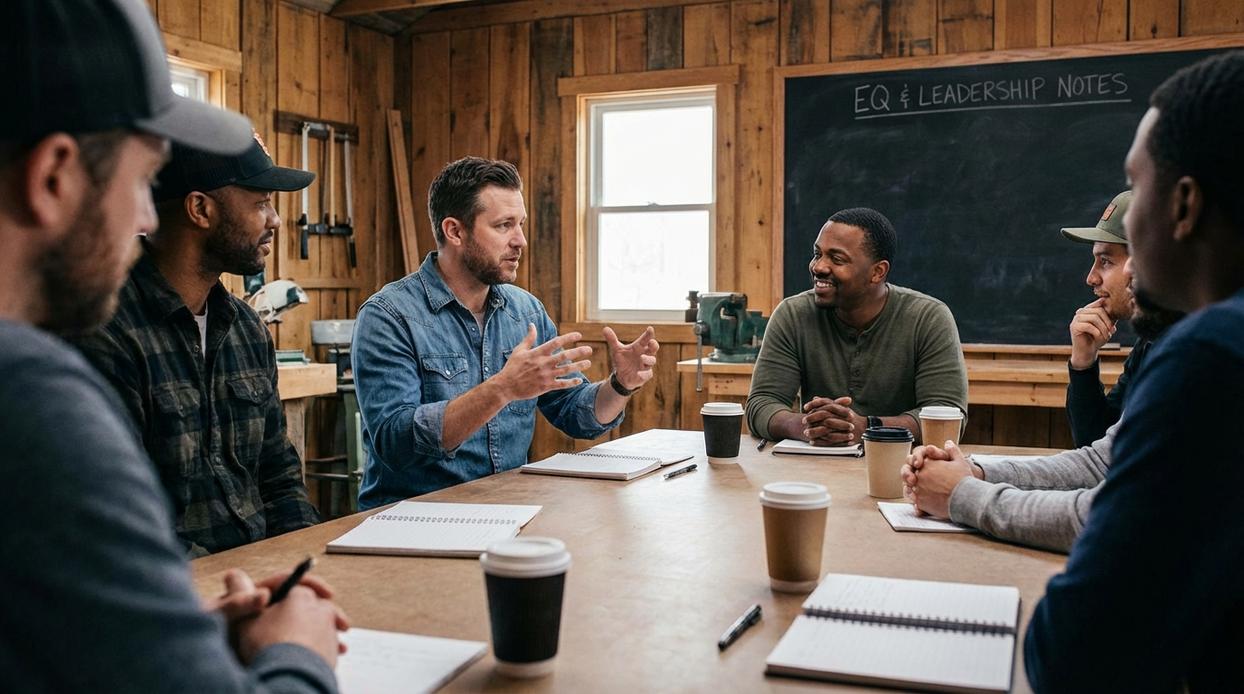
Let’s challenge something head-on: vulnerability is NOT weakness. That idea has lingered for years, especially among men, but it confuses silence with strength. Real strength is being clear about what you feel and why. Think of it as AUTHENTIC COURAGE.
Some argue that opening up makes you look soft or unstable. But compare the outcomes:
- Option A: Stay guarded, deflect with jokes, pretend nothing bothers you. People see composure—but they never really know you.
- Option B: Share honestly (without oversharing), name your feelings, and own them. People may be surprised—but they trust you.
Trust always beats mystery in real relationships.
Here’s how to start:
- Start small: Share a minor frustration from work or a small win you’re proud of. You’re building reps, not delivering a TED Talk.
- Use “I” statements: Instead of “You always interrupt me,” try “I feel unheard when I’m interrupted.” This centers your experience instead of assigning blame.
- Choose your audience: Practice with one or two trusted friends or a partner. Safe spaces build confidence.
Pro tip: pause before speaking and name the feeling in one word—frustrated, excited, overlooked. Precision builds emotional intelligence for men.
When you express yourself clearly, you give others permission to do the same. That’s how acquaintances become allies. Not through bravado—but through honesty that actually connects.
Skill #3: Navigating Conflict Constructively
Conflict isn’t a cage match. The goal isn’t winning—it’s understanding. Shift your mindset from scoring points to solving problems (yes, even when you’re sure you’re right).
Here’s what I recommend:
- Hit the Pause Button. When emotions spike, call a 20-minute timeout. Research from the Gottman Institute shows it takes about that long for the body to physiologically calm down after stress. USE THE PAUSE BUTTON. You’ll avoid words you can’t take back.
- Attack the issue, not the person. Say, “When this happened, I felt…” instead of “You always…” Personal attacks trigger defensiveness and shut down progress.
- Stay present. Don’t drag in last year’s argument. Handle what’s in front of you.
Some argue that taking breaks avoids the problem. In reality, it strengthens emotional intelligence for men and leads to better outcomes.
Handled well, disagreement builds trust. It proves your bond can take a hit—and come back stronger.
Building your support system, one conversation at a time means mastering three core skills: active listening, clear self-expression, and constructive conflict resolution. On one side, you have silence and simmering resentment; on the other, honest dialogue and mutual respect. Active listening replaces nodding while waiting to talk; it means paraphrasing what you hear so others feel understood. Clear self-expression swaps blame for ownership through “I” statements. Constructive conflict resolution turns arguments into problem-solving. These tools are the antidote to isolation and fuel emotional intelligence for men. So here’s your challenge: will you try one technique today? Start small, start now
Step Into the Version of You That Leads
You came here looking for clarity on modern masculinity—how to look sharp, feel strong, think clearly, and move through the world with confidence. Now you have the blueprint. From leveling up your grooming routine to refining your style, upgrading your gear, and building emotional intelligence for men, you’re no longer guessing—you’re building with intention.
The real pain point isn’t a lack of information. It’s inconsistency. It’s knowing you could show up better but not having a clear, practical path forward. That’s what separates average from exceptional.
Modern masculinity isn’t about trends alone—it’s about alignment. When your mindset, habits, presentation, and awareness work together, you stop reacting to life and start leading it.
Here’s your next move: Don’t just read—apply. Pick one upgrade today. Refine your grooming routine. Audit your wardrobe. Strengthen your daily habits. Then keep building. If you want proven insights trusted by thousands of driven men who refuse to settle, explore more of our top-rated guides and take action now.
Confidence compounds. Start stacking yours today.
 Michaelo Taylorawsons brings a refined and confident voice to Impocoolmom, with a strong focus on modern men’s lifestyle, personal presentation, and everyday self-improvement. His writing explores the balance between timeless masculinity and current trends, offering readers practical insights on grooming, wellness, style choices, and lifestyle upgrades that feel both relevant and easy to apply.