Modern masculinity is evolving fast—and if you’re trying to keep up with men’s wellness, grooming upgrades, smarter style moves, and gear that actually improves your day-to-day life, it can feel overwhelming. Trends shift quickly, advice is everywhere, and not all of it is built for real-world results.
This article is designed to cut through the noise. We break down what’s actually shaping today’s standards in men’s self-care, personal style, performance habits, and emerging lifestyle trends—so you can focus on what works instead of chasing every new fad.
Our insights are grounded in ongoing research, hands-on product testing, and careful analysis of cultural and consumer shifts influencing how modern men live and present themselves. The goal isn’t hype—it’s clarity.
Whether you’re refining your grooming routine, upgrading your wardrobe, or staying ahead of cultural shifts, you’ll find practical, actionable takeaways that align with where men’s lifestyle is headed next.
The old nine-to-five routine feels like it was built for a different century. We wake, scroll, rush, repeat—and wonder why we’re exhausted yet underwhelmed. The pace of change is ruthless; habits that worked in 2015 already feel ancient. In my view, clinging to outdated systems is the real risk.
This guide distills years of tracking cultural, technological, and wellness shifts to spot patterns that actually improve daily life. You’ll find:
- Energy-first routines
- Digital boundaries that stick
- Gear and grooming upgrades that earn their keep
Consider it a practical roadmap to adopting emerging lifestyle trends with intention, so your days feel designed, not defaulted. Efficiency without purpose is just polished burnout. Today.
Pattern 1: The “Third Space” Renaissance
First, let’s clarify the term. A Third Space is any place outside your home (the first space) and your workplace (the second space) where you regularly spend time. Sociologist Ray Oldenburg coined the phrase to describe environments that foster community, conversation, and connection. In simple terms, it’s where life happens between obligations.
Traditionally, that meant the neighborhood bar or coffee shop. However, the modern version looks different. Think members-only social clubs, high-tech fitness studios with recovery lounges, or curated co-working environments that feel more boutique hotel than office. These spaces blend productivity and recreation, which explains why they’re central to emerging lifestyle trends in the section once exactly as it is given.
So why does this matter? For one, remote work has blurred boundaries between professional and personal life. A Third Space creates separation (your couch shouldn’t double as corporate HQ forever). Additionally, these environments combat loneliness by offering built-in community. You’re not just lifting weights at a boxing gym; you’re seeing familiar faces and building networks.
Some argue you don’t need a designated space—just call a friend. Fair point. Yet consistency and shared environment create stronger bonds over time.
Actionable tip: Start small. Try a climbing class, join a run club, or purchase a day pass at a local co-working spot. Test the vibe. The right Third Space should feel energizing, not obligatory.
Pattern 2: Intentional Technology & Digital Boundaries
Modern men aren’t rejecting technology—they’re redesigning their relationship with it. Think of this as a two-part system: automate what drains you, restrict what distracts you.
Smart Automation
Decision fatigue (the mental exhaustion from making too many small choices) is real. A study published in the Journal of Personality and Social Psychology found that repeated decision-making deteriorates self-control over time. That’s where automation steps in.
Men are building smart home routines—lights that simulate sunrise, thermostats that adjust automatically, grocery apps that refill weekly staples. Productivity tools like Notion or Todoist batch tasks and trigger reminders before things slip. The result? Fewer micro-decisions and more cognitive bandwidth for meaningful work (or actual rest).
- Automated morning light sequences
- Recurring grocery lists
- Calendar blocking for deep work
Pro tip: Automate anything you repeat weekly. If you do it twice, it deserves a system.
Mindful Disconnection
But here’s the counterpoint: constant connectivity increases stress. The American Psychological Association reports that 43% of adults check devices constantly, correlating with higher stress levels.
So boundaries are getting stricter. No-phone bedrooms. Grayscale mode to dull dopamine triggers. Scheduled 24-hour digital detoxes. Physical alarm clocks replace phones at night. Noise-canceling headphones create distraction-free zones.
Skeptics argue this is overkill. Yet screen-time studies consistently show improved sleep and focus when device use drops before bed.
This blend of automation and restraint reflects broader emerging lifestyle trends—efficiency without burnout. For men already optimizing health through routines like the rise of functional fitness in modern mens routines, digital discipline is the logical next step.
Pattern 3: Hyper-Personalized Wellness & Grooming
For years, wellness advice was basically: drink more water, lift weights, wash your face (groundbreaking, right?). Now, we’re moving beyond generic advice into data-driven personalization—using your own biological data to guide decisions.
In simple terms, hyper-personalized wellness means recommendations built around your body, not averages pulled from a study of 10,000 strangers.
Some critics argue this is overkill. “Just eat clean and exercise,” they say. And sure, fundamentals matter. But averages don’t account for individual differences in hormones, sleep cycles, or nutrient absorption. That’s where personalization steps in.
Here’s how it shows up across key areas:
- Nutrition: At-home blood panels and DNA analysis help tailor diets and supplements. If your iron runs low or you metabolize caffeine slowly, your plan adjusts accordingly.
- Fitness: Wearables like Whoop and Oura track heart rate variability (a measure of recovery capacity) and generate daily readiness scores. Instead of guessing, you train based on recovery data.
- Grooming: Custom skincare brands formulate products after quizzes about skin type, climate, and stress levels—often delivered via subscription.
- Mental Wellness: Meditation apps are becoming daily mental “hygiene,” much like brushing your teeth.
Skeptics worry this is just clever marketing wrapped in emerging lifestyle trends. Sometimes, that’s fair. But when data translates into better sleep, clearer skin, or improved recovery, personalization stops being hype—and starts being practical.
Pattern 4: Conscious Consumption & “Buy It For Life” Gear

Status used to mean flashy logos. Now, it signals restraint. Conscious consumption—buying fewer, better things—is becoming one of the most talked-about emerging lifestyle trends. The upside? You look sharper and spend smarter.
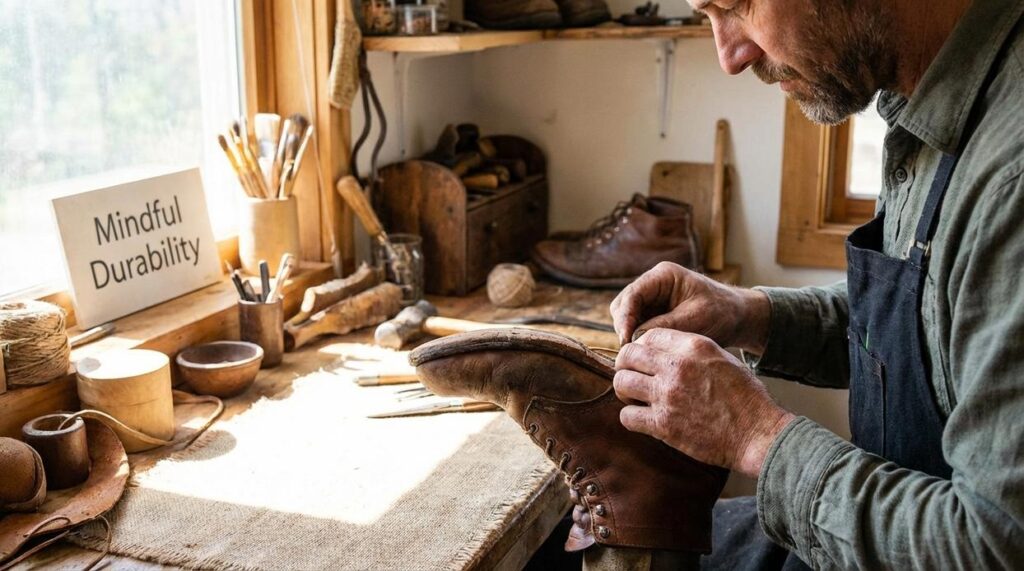
The Buy It For Life (BI4L) mindset means choosing durable, repairable gear built to last decades, not seasons. Think full-grain leather (the strongest cut of hide), selvedge denim, or cast-iron cookware. Yes, critics argue quality costs more upfront. Fair. But over time, replacing cheap items repeatedly costs more (and clutters your closet like a forgotten 2012 graphic tee phase).
Why It Pays Off
| Item | Fast Version | BI4L Version |
|——|————-|————–|
| Jacket | Replaced yearly | Lasts 10+ years |
| Wallet | Cracks, peels | Ages with character |
Start small: upgrade your wallet, backpack, or watch. Pro tip: cost-per-wear reveals the real bargain.
Integrating These Patterns Into Your Life
Third Spaces, Intentional Tech, Personalized Wellness, and Conscious Consumption aren’t trends to admire—they’re tools to use. Together, they form a system for modern living rooted in clarity and control. The alternative? Constantly “keeping up,” which is exhausting (and honestly, a losing game).
Here’s what’s in it for you:
- More time through smarter tech boundaries
- Less stress from intentional routines
- Better health and focus via personalized habits
These emerging lifestyle trends work when you apply them. Pick one action—schedule a third-space visit, audit your apps, upgrade your nutrition—and commit for seven days. Small shifts. Real payoff.
Own Your Edge in a World Driven by emerging lifestyle trends
You came here looking for clarity on how to navigate modern masculinity, upgrade your grooming, and stay sharp in a fast-moving world shaped by emerging lifestyle trends. Now you have the insights to refine your style, elevate your wellness, and choose gear that actually works for your life.
The real pain point isn’t a lack of options — it’s overload. Too many products. Too many opinions. Too much noise. Falling behind on emerging lifestyle trends can leave you feeling outdated, unprepared, or stuck in routines that don’t serve you anymore.
The advantage now is yours — but only if you act on it.
Start by upgrading one area this week: refine your grooming routine, invest in one high-impact style piece, or adopt a wellness habit that strengthens both body and mindset. Small, intentional shifts compound fast.
If you’re ready to stay ahead of emerging lifestyle trends without wasting time or money, follow our latest insights and explore our top-rated recommendations trusted by thousands of modern men. Don’t guess your way forward — step into your next level with confidence today.
 Michaelo Taylorawsons brings a refined and confident voice to Impocoolmom, with a strong focus on modern men’s lifestyle, personal presentation, and everyday self-improvement. His writing explores the balance between timeless masculinity and current trends, offering readers practical insights on grooming, wellness, style choices, and lifestyle upgrades that feel both relevant and easy to apply.