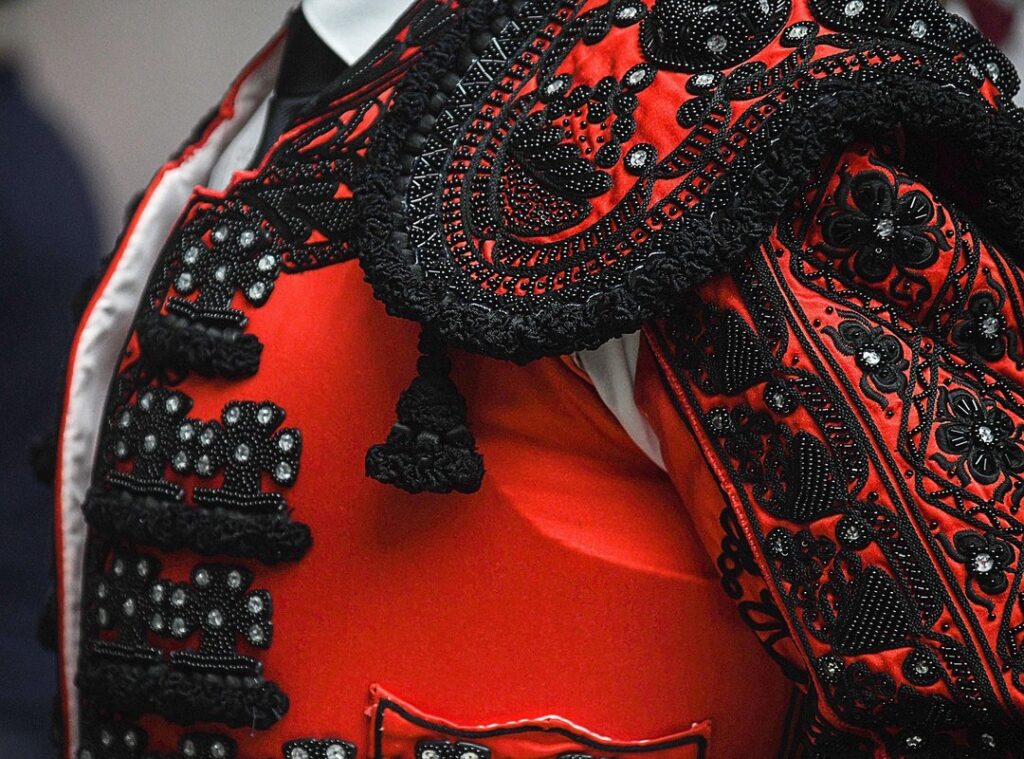
A female matador stands alone in the bullring, a figure of both grace and danger. The term torera virgen might sound like a simple description, but it’s so much more. It’s a cultural archetype, rich with history, art, and mythology from Spain.
This article will explore the origins of this concept, decode its powerful symbolism, and uncover the real stories of the women who inspired the legend. We’re diving into tradition, courage, and the complex roles women have carved out in one of the world’s most dangerous and male-dominated spectacles.
A Woman’s Place in the Bullring: A Brief History
The origins of female bullfighters, or toreras, go back to the 18th century. Surprising, right? Women have been stepping into the bullring for a long time.
But it wasn’t easy. Societal and legal barriers were huge. In 1908, Spain passed a law that banned women from bullfighting, calling it “unseemly.” Can you imagine being told you can’t do something just. Of your gender?
Despite the ban, some women defied the rules. Juanita Cruz, for one, had to leave Spain and fight in Latin America. She was determined, and she made a name for herself.
Early toreras were often seen as novelties or sideshows. People didn’t take them seriously as skilled athletes. This created a unique cultural space for them, but it also meant they had to work twice as hard to prove themselves.
The term torera virgen adds another layer to their story. It refers to a female bullfighter who has never been married or had children, emphasizing the idea that they were somehow “pure” or “untouched” by traditional roles.
This challenging historical context of prohibition and prejudice gave rise to powerful myths and symbols. These trailblazing women became more than just athletes; they were symbols of resistance and change.
Looking ahead, I think we’ll see more recognition for these pioneering women. As society continues to push for gender equality, the stories of these toreras will gain more attention. More women will step into the ring, and their skills will be celebrated, not just tolerated.
Decoding the Symbolism: Why Purity and Peril Collide
The ‘torera virgen’ archetype is a fascinating blend of cultural tension. It collides the idea of virginal purity with the raw, bloody, and passionate world of the bullfight.
This concept aligns with traditional Spanish cultural values. Themes of honor, sacrifice, and idealized femininity are paramount in this context.
The ‘virgen’ aspect is a powerful symbol. It can represent untouchable strength, spiritual purity in the face of death, or a direct challenge to the hyper-masculine nature of the ‘corrida.’ torera virgen
In broader Spanish art and literature, figures of saintly, suffering, or impossibly strong women are prevalent. The ‘torera virgen’ fits into this narrative, embodying both purity and strength.
It’s important to note that the ‘torera virgen’ is more of a symbolic ideal or a cultural myth. It’s not a literal, verifiable status applied to historical figures.
Understanding this archetype helps us see how Spanish culture navigates the complex interplay between purity. Peril, and how it shapes their artistic and literary expressions.
From Real-Life Legends to Fictional Icons
Conchita Cintrón, known as The Golden Goddess, was a real-life torera who embodied a mix of elegance and ferocity. She captivated audiences with her grace and skill, becoming a legend in the world of bullfighting.
The torera virgen concept has been romanticized and portrayed in popular culture, including novels, films, and art. It’s cemented in the public imagination as a symbol of both beauty and strength.
Hemingway’s The Sun Also Rises features a character that captures the essence of this archetype. The novel paints a vivid picture of the allure and mystique surrounding these women.
But let’s be real. The romanticized myth doesn’t always match the harsh realities. These women faced injury, discrimination, and financial hardship.
It wasn’t all glamour and glory.
Modern female bullfighters like Cristina Sánchez have their own stories. Their struggles and successes both echo and diverge from the historical myth. They continue to break barriers and challenge stereotypes, showing that the spirit of the torera is alive and well.
The Modern Echo of a Powerful Archetype
The torera virgen is a complex blend of historical fact, cultural symbolism, and artistic myth. It embodies a timeless form of female strength, courage, and defiance in a world designed to exclude them. This archetype resonates deeply with modern conversations about women breaking barriers.
Today, we see these qualities in women who challenge norms in sports, business, and other traditionally male-dominated fields. The legend endures because it tells a universal story of confronting overwhelming odds with grace and grit.
 Taranica Salgadozo contributes a fresh and thoughtful perspective to Impocoolmom, covering topics that connect men’s wellness, style evolution, and contemporary living. With an eye for detail and a clear understanding of modern trends, her content helps readers discover smarter grooming habits, better lifestyle choices, and polished ways to stay confident in an ever-changing world.