
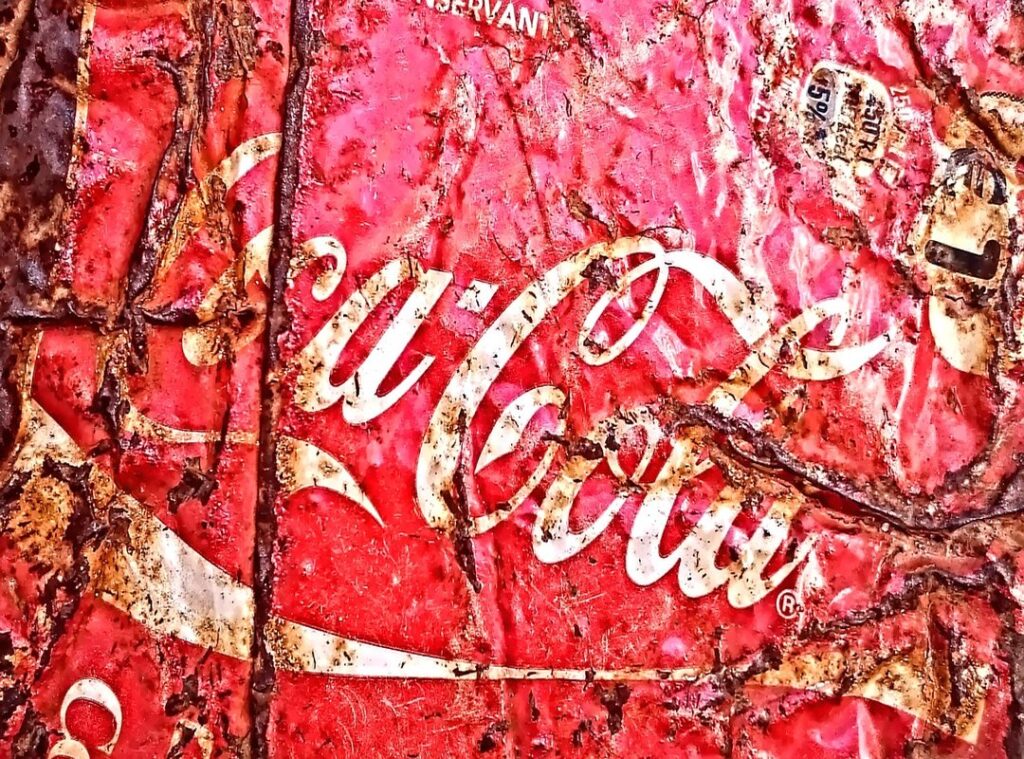
Can logos be similar? Yeah. But that doesn’t mean they should be.
I’ve seen too many small businesses get hit with cease-and-desist letters over logos that looked “just different enough” to the creator. And not at all different to a judge.
Can Logos Be Similar Flpstampive is a question people ask when they’re already nervous. When they’ve Googled “logo ideas” and landed on something that feels close to a brand they like.
Here’s the truth: similarity isn’t about copying. It’s about confusion. If someone sees your logo and thinks of another brand.
Even for half a second (you’re) in trouble.
Trademark law doesn’t care if you meant well. It cares if customers mix you up.
And yes, it happens more than you think. A color shift. A flipped icon.
A swapped font. All tiny changes (until) they’re not.
You don’t need a law degree to avoid this. You just need clear rules. Not legalese.
Not warnings wrapped in jargon. Just straight talk on what “too similar” actually means.
This article breaks down real examples. Shows where lines get crossed. And tells you how to check your own logo before you print it, launch it, or pay for it.
You’ll walk away knowing exactly when similarity becomes risk.
What Makes Logos “Too Similar”?
I’ve seen startups copy a competitor’s logo and think it’s fine because “it’s not identical.”
It’s not about pixel-perfect matches. It’s about whether someone scrolling past your website or walking into a store pauses and thinks Wait. Is this the same brand?
That’s the legal test: likelihood of confusion. Courts ask that question all the time. Not “are they the same?” but “could a regular person mix them up?”
Visuals matter (colors,) shapes, fonts. Sound matters (if) your logo has text like “Flare” and theirs is “Flair,” people hear them the same way. Meaning matters too (if) both logos use mountain imagery for outdoor gear, that adds weight.
Two red apples? Fine if one’s on a fruit stand sign and the other’s on a laptop. But put that apple next to “Macintosh” and “iCore,” and yeah.
You’re in trouble.
Context is everything. Who’s seeing it? Where?
What do they expect? A teen buying sneakers won’t confuse a swoosh with a stripe (but) a parent shopping for school supplies might.
Flpstampive shows how small tweaks shift perception fast. Can Logos Be Similar Flpstampive? Only if you’ve tested it with real people (not) just your cofounder.
Don’t guess. Ask strangers what they think the logo stands for. Then listen.
Trademarks Are Not Magic Shields
A trademark is just a legal tool. It protects words, logos, or symbols that tell people who made something.
I filed one for my coffee brand’s logo. It stopped a copycat café two towns over from using a near-identical owl icon with the same font.
That little ® means it’s registered. ™ means you’re claiming it (but) courts won’t back you up as hard.
Registration gives you exclusive rights. But only for the goods or services you list. Nike owns that swoosh for shoes and apparel.
A “Nike” taco truck? Probably fine. (Unless they start selling sneakers.)
Trademark law cares about confusion. Not similarity. If your logo makes people pause and wonder “Wait.
Is that them?” then it’s too close.
Can Logos Be Similar Flpstampive? Only if no one mistakes one for the other. That’s the whole point.
You don’t get protection just by slapping ™ on your design. You earn it by using it in commerce (and) defending it.
Most people think registration = total control. It’s not. It’s narrow.
Specific. And limited to what you actually sell.
If you’re selling candles and someone else uses your logo for plumbing supplies? Unlikely to fly in court. (But go ahead (try.))
You pick the category. You defend the territory. No more.
No less.
Why Your Logo Looks Like Everyone Else’s

I see it all the time. A client gets three logo options. Two look like they came from the same template.
Many businesses find inspiration for their designs by exploring Logo Directories Flpstampive, which showcase a variety of unique and creative logos.
You pick a lightbulb for “innovation.” (Yeah, I’ve done it too.)
That’s not clever. It’s lazy.
Same with leaves for eco-brands or globes for “global” companies. These aren’t symbols. They’re shortcuts.
And shortcuts lead to sameness.
Design trends make it worse. Right now everyone’s doing thin-line monograms or grainy vintage textures. So your “unique” logo lands next to five others just like it.
You think you’re inspired. But inspiration without transformation is imitation. Did you change the shape?
The spacing? The meaning behind it? Or did you just recolor someone else’s idea?
Research isn’t optional. Scroll through Logo directories flpstampive before you sketch one line. Look beyond your industry.
Look at food logos if you’re in finance. See what’s already out there.
Can Logos Be Similar Flpstampive? Yes. Too often.
Ask yourself: “What would make someone pause and say ‘Wait (what) is that?’”
If the answer is nothing, start over.
You don’t need more tools. You need more restraint. And better questions.
Before You Hit Save on That Logo
I search first. Not just Google Images. I go straight to the USPTO TESS database.
(Yes, it’s clunky. Yes, you need to try ten different spellings.)
You do the same. Look for identical marks (but) also shapes that feel familiar. Colors that whisper “I’ve seen that before.” Concepts that land too close to a competitor’s vibe.
Ask three people who don’t work with you: Does this remind you of anything? Not “Do you like it?” That’s useless. You want red flags (not) polite nods.
I make at least five versions. Not variations. Five truly different ideas.
Then I kill the safe ones. The ones that look like they belong in a generic stock logo pack.
Can Logos Be Similar Flpstampive? Yes. And that’s how lawsuits start.
You’re not just picking a design. You’re picking something that must stand alone (legally) and visually.
I skip the “just change the font” fix. It never holds up. If it feels like déjà vu, it probably is.
No one wants to rebrand because their logo got a cease-and-desist letter six months in.
I check industry galleries. Not just for inspiration (but) to spot patterns I’m accidentally copying. (Turns out, every fintech startup loves blue circles.)
Need quick visual checks? Try the Free Logo Directories Flpstampive. They’re not perfect (but) they’re faster than scrolling for an hour.
Your Logo Isn’t Just Art (It’s) Legal Armor
I’ve seen too many small businesses get hit with a cease-and-desist over a logo that felt original. It didn’t matter that they loved the design. What mattered was that someone else owned it first.
Can Logos Be Similar Flpstampive? Yes. But “similar” has legal limits.
Cross that line, and you’re not just copying. You’re confusing customers. You’re risking your name, your domain, your whole brand.
I don’t care how inspired you are by another logo. If your version makes people pause and wonder “Wait. Is this the same company?”, it’s too close.
That hesitation is your warning sign.
You want uniqueness. Not just for style. For safety.
Do the research before you finalize. Check USPTO. Look at competitors.
Ask a real trademark attorney (not) your cousin who “knows a guy.”
This isn’t about perfection.
It’s about avoiding a fight you didn’t sign up for.
You came here because you’re tired of guessing. Tired of hoping your logo won’t backfire. Tired of trusting gut feeling over real protection.
So stop hoping.
Start checking.
Take these steps now: search trademarks, compare logos side-by-side, get a quick legal review. Not later. Not after launch. Before.
Make your logo great (and) legally yours.
No exceptions.
 Michaelo Taylorawsons brings a refined and confident voice to Impocoolmom, with a strong focus on modern men’s lifestyle, personal presentation, and everyday self-improvement. His writing explores the balance between timeless masculinity and current trends, offering readers practical insights on grooming, wellness, style choices, and lifestyle upgrades that feel both relevant and easy to apply.