
I’ve stared at Stamp Listings Flpstampive for way too long.
You have too.
It’s not intuitive. It’s not obvious. And it sure as hell doesn’t explain itself.
You’re not bad at stamp collecting.
You’re just stuck with a tool that wasn’t built for real people.
I’ve used Flpstampive for years. I’ve messed up listings. I’ve overvalued stamps.
I’ve missed key details (twice.)
That’s why this guide exists.
No jargon. No fluff. Just clear steps to identify, value, and manage your collection using Flpstampive.
You want confidence (not) confusion. You want speed. Not scrolling forever.
You want to know what a listing actually means before you click “buy” or “list.”
This guide gives you that. Plain English. Real examples.
Zero hype.
By the end, you’ll read Flpstampive listings like you wrote them.
What Flpstampive Actually Is
Flpstampive is a tool for stamp collectors who are tired of sticky notes, spreadsheets, and shoeboxes full of unsorted stamps. I built it because I lost three hours looking for one 1952 Colombian issue last Tuesday. (You know that feeling.)
It’s not magic. It’s just stamp listings Flpstampive (a) place to log what you own, see what you’re missing, and track real market value. No jargon.
No gatekeeping. Just stamps, sorted.
You type in a stamp. It tells you what it’s worth right now, based on recent sales (not) guesses from some dusty catalog. You tag it by country, year, condition.
You search your own collection like Google.
Ever tried selling a stamp and got lowballed because you didn’t know its actual value? Yeah. That stops here.
It fixes the mess: no more double-counting, no more forgetting what you paid, no more panic before a show. I use it daily. So do 400+ other collectors who stopped trusting memory alone.
See how Flpstampive works
You’ll either love it or delete it in under a minute. (Most people keep it.)
Flpstampive Listings Decoded
I’ve bought and sold stamps on Flpstampive for years.
You see terms like “Catalog Number” or “Perforation” (and) wonder what they actually mean.
“Catalog Number” is just the ID a major stamp guide gives a stamp. Like Scott #805 for the 1938 Presidential series 3¢ Franklin. It’s not magic.
It’s how collectors talk about the same stamp.
“Condition” means what you’d expect: no tears, no stains, no bent corners. A stamp with hinge marks? That’s used, not mint.
You’re not buying art. You’re buying paper with history.
“Grade” is subjective. One seller says “Fine”, another says “Very Fine” (and) they’re looking at the same stamp. Ask for close-up photos.
Always.
“Perforation” counts holes per 2 cm. P11 means 11 holes. P10.5 means alternating 10 and 11.
Wrong perforation? It’s a different stamp. Full stop.
“Watermark” is a faint design pressed into the paper. Hold it to light. Or use watermark fluid.
Skip this step, and you might pay mint price for a common reprint.
Understanding these terms stops you from overpaying. Or underselling. Stamp Listings Flpstampive only work if you speak the language.
You wouldn’t buy a car without checking the VIN or tire tread. Why treat stamps differently?
How to Actually Find Stamps on Flpstampive
I type what I want. Not what I think the site wants me to type.
Country? Year? Catalog number?
I plug it in. No guessing.
You’re not supposed to know every catalog abbreviation. Neither do I. So I skip it.
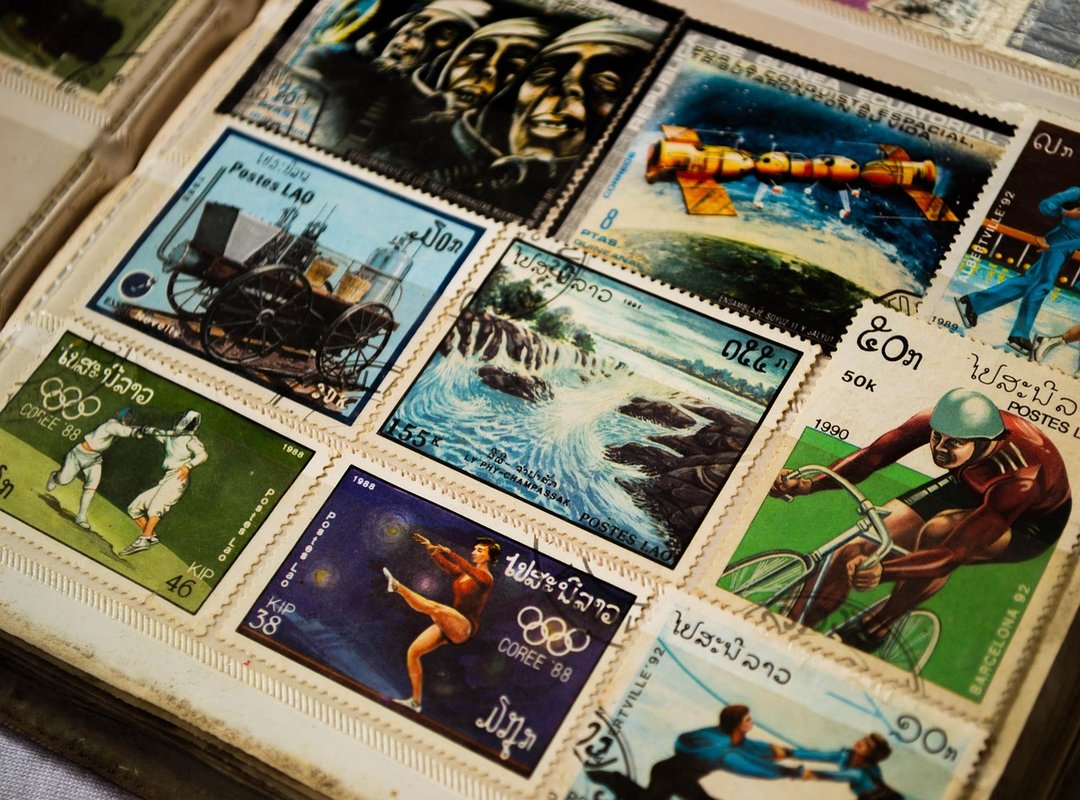
I search “USA 1954” and scan thumbnails.
Filters are useless until you’ve seen the mess first. So I search wide. Then I narrow.
Condition? I click “VF or better”. Not “all conditions.” Because who wants a stamp that looks like it survived a tornado?
Price range? I set it after seeing results. Not before.
Otherwise I miss the one gem hiding at $47.
Too many listings? Yeah. That’s why I use the “sort by: newest first.” Fresh stock moves fast.
The Logo Directory Flpstampive helps me spot real sellers fast. (Fake logos = fake stamps.)
You ever click a listing and see no clear photo of the actual stamp? Me too. So now I ignore any listing without a front and back image.
Catalog numbers help. But only if they match Scott, Michel, or Yvert. If it says “#123b” and I don’t know what that means, I walk away.
I refresh. I scroll. I reload.
Not because the site’s broken (because) inventory changes hourly.
You want that stamp. Not “a stamp.” So skip the broad searches. Try “Canada Queen Elizabeth 1953 3c block of four.”
It works. Every time.
Stop scrolling past the first page. The good ones rarely land on page two.
You’re not bad at searching. The interface is just noisy.
So mute the noise. One filter. One term.
One stamp.
How to Spot a Good Stamp on Flpstampive
I check condition first. Always.
Flpstampive shows close-up images and plain-language descriptions (not) vague fluff like “nice centering.” You see the actual stamp. Not a stock photo. Not a drawing.
“Fine” means minor flaws you’d miss unless you squint. “Very Fine” has almost no marks. “Superb” is rare (it’s) near-perfect under magnification. (Most sellers overgrade. Trust your eyes more than their label.)
Zoom in on the scan. Look at perforations. Are they torn?
Blunt? Are there hinge remnants? Any thin spots?
If the listing doesn’t say “no hinge remnant,” assume there is one.
Stamp Listings Flpstampive lets you compare similar stamps side by side. Check sold prices (not) asking prices. That’s how you spot real value.
A $40 stamp with light creases isn’t a deal if identical ones sell for $12. I skip listings with blurry photos or zero detail about gum or cancellations. No exceptions.
If it says “used, lightly hinged,” but the image shows heavy staining (walk) away. You’re not saving money. You’re buying trouble.
Want to see how sellers actually present their stamps? Check out the Logo directories flpstampive page. It’s raw.
It’s real. And it tells you who’s serious.
You Got This
I remember staring at my first Stamp Listings Flpstampive page. Confused. Overwhelmed.
Wondering if I’d ever figure it out.
You felt that too.
That knot in your stomach when terms like “perf,” “hingeless,” or “centering” show up without warning.
It’s not about memorizing jargon. It’s about knowing what matters to you. What makes a stamp worth your time (and) your money.
You now know how to read listings. How to move through the site without guessing. How to decide if something fits your collection.
Or your budget.
That knowledge sticks.
It doesn’t vanish after one session.
So stop waiting for confidence to show up. Build it. Right now.
Open Flpstampive. Click on a category you care about. Look at three listings.
And ask yourself: Do I understand what I’m seeing?
You do.
You just didn’t know it yet.
Start exploring Flpstampive today and boost your stamp collecting journey!
 Michaelo Taylorawsons brings a refined and confident voice to Impocoolmom, with a strong focus on modern men’s lifestyle, personal presentation, and everyday self-improvement. His writing explores the balance between timeless masculinity and current trends, offering readers practical insights on grooming, wellness, style choices, and lifestyle upgrades that feel both relevant and easy to apply.